Audi RS models represent the pinnacle of the brand's engineering achievements, significantly differing technically from their road-legal A and S-line counterparts. While they may resemble standard versions at first glance, beneath their bodywork lie unique components designed for extreme performance and track precision. This article examines the key differences in engine, chassis, and braking systems that make the RennSport emblem unique. Readers will learn why servicing Audi RS parts requires a specialized approach and why genuine Audi RS parts are crucial to preserving the car's DNA. A wide range of components for these high-performance engines, including Audi Sport replacement parts, can be found at the Global Parts automotive store, making it easier to keep these machines in pristine condition. Understanding the differences between standard and RS models allows for better planning of servicing or future mechanical modifications.
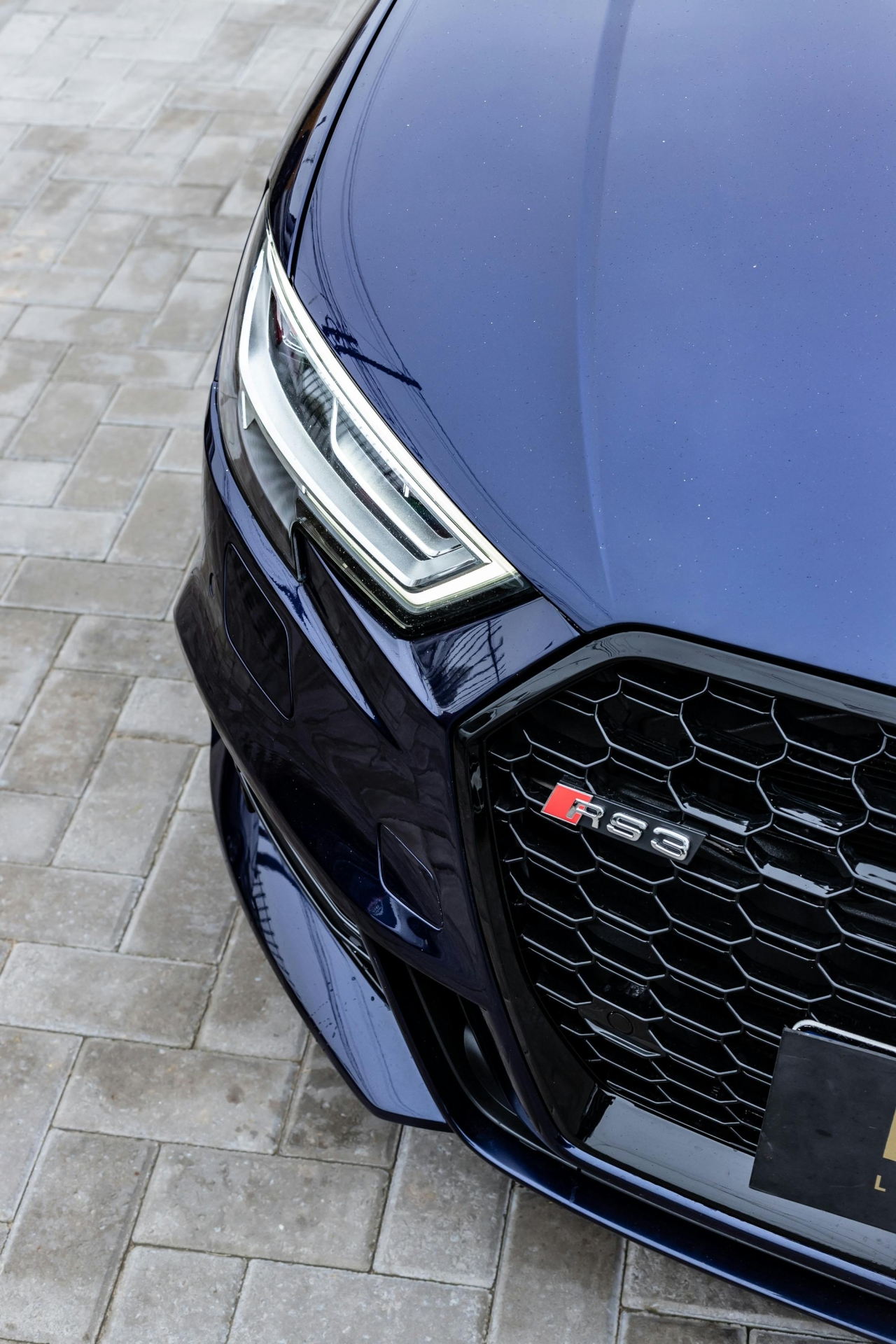
Audi RS engine – characteristics and performance of the drive units
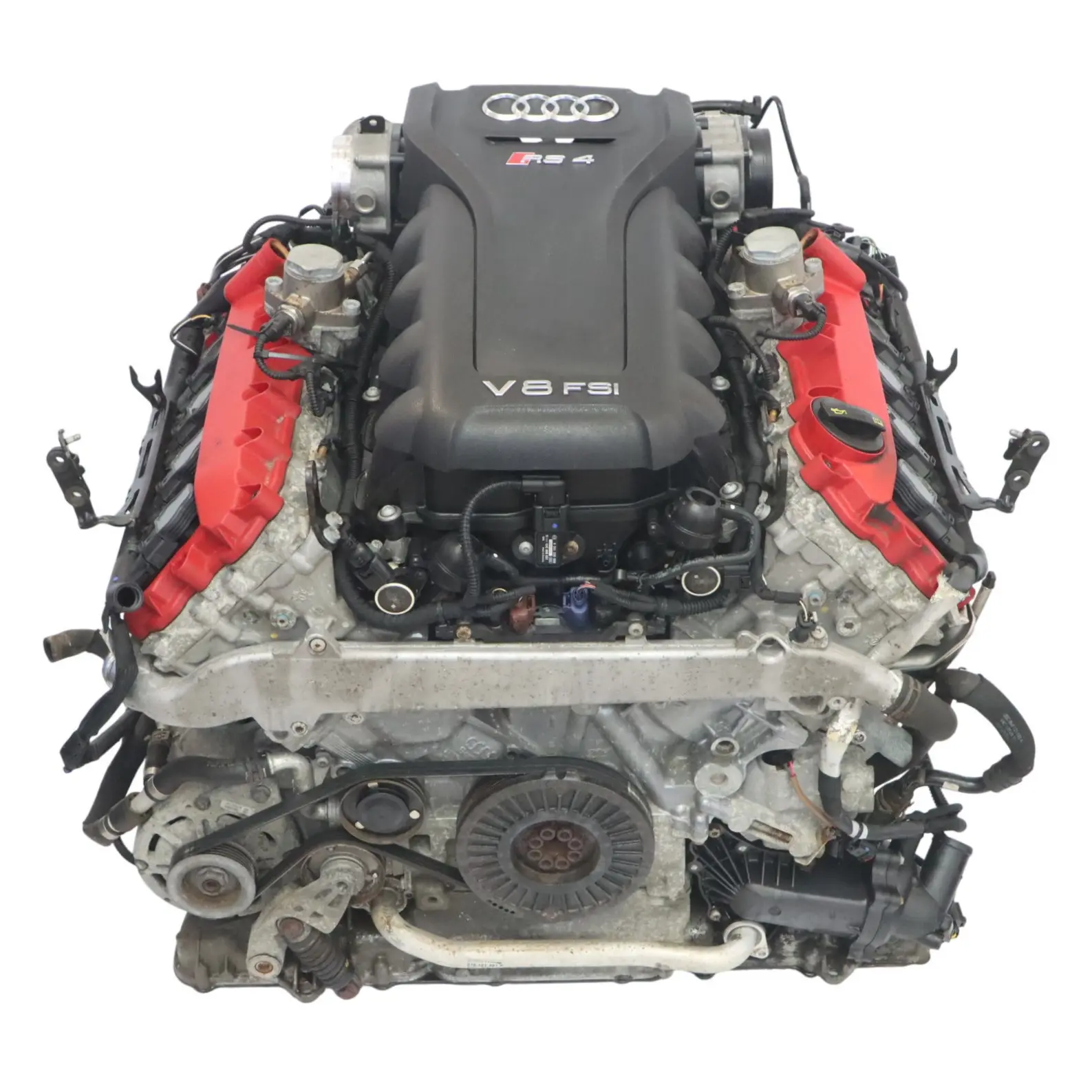
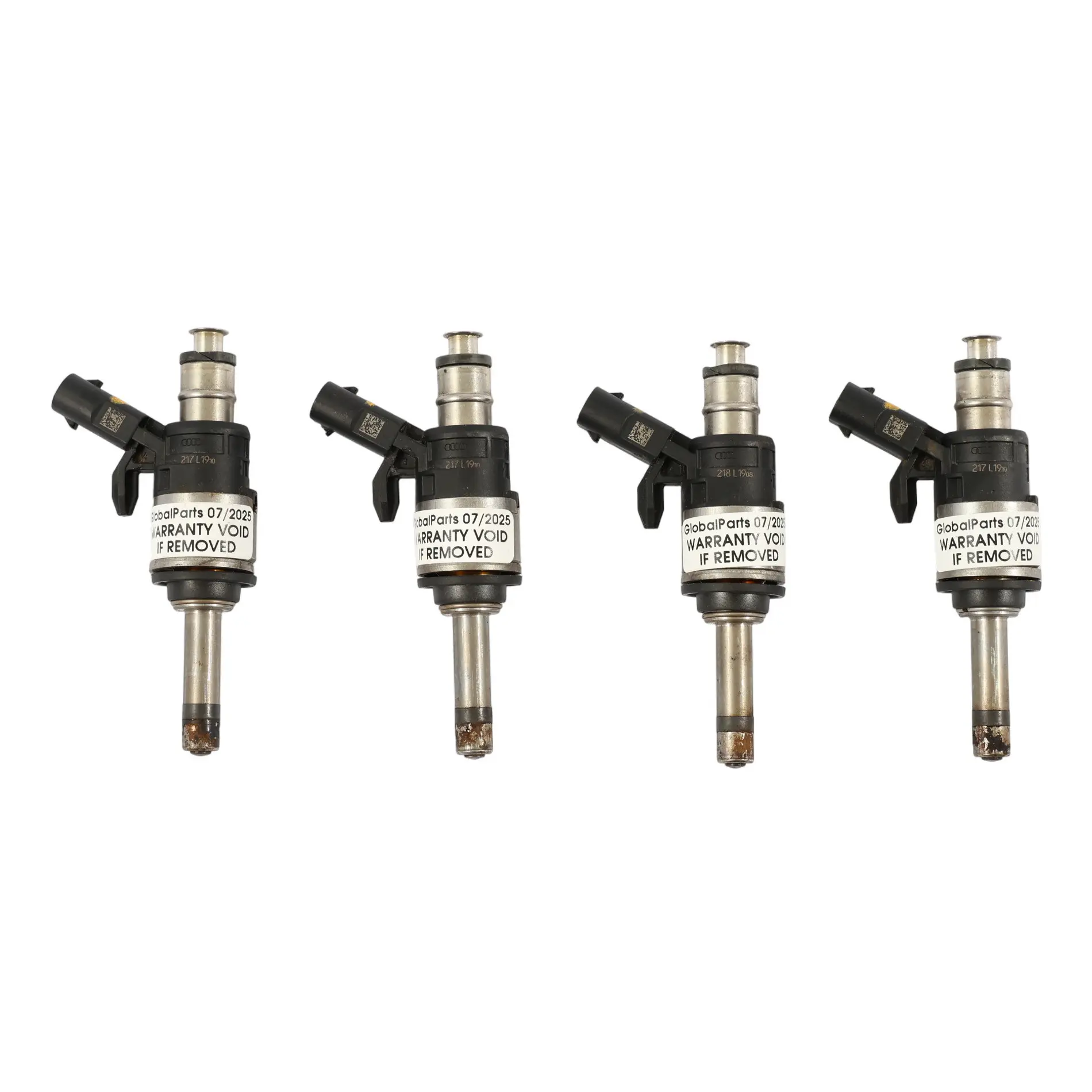
The power and torque in the RS models are generated by drive units with a completely different architecture and durability than those found in the standard A4 or A6 models. Audi Sport engineers use reinforced metal alloys for the blocks, forged connecting rods, and dedicated turbocharging systems that withstand significantly higher pressures and operating temperatures. The performance of Audi RS engines is not just measured by raw data, but primarily by thermal efficiency and lightning-fast throttle response, achieved through uniquely tuned control electronics. Many components, such as higher-flow injectors and more efficient intercoolers, are unavailable in the road versions. Due to the complexity of these designs, any major repairs should be referred to specialized workshops.
Audi RS3 engine – a five-cylinder phenomenon
The iconic 2.5 TFSI engine (designated DAZA/DNWA) is the heart of the RS3, generating an unmistakable sound and up to 400 hp thanks to its unique 1-2-4-5-3 firing order. The Audi RS3 engine features an aluminum crankcase and a special cylinder wall coating that minimizes friction and allows for safe high revving. Users looking for components for this engine, such as an Audi RS3 bumper for improved cooling or intake components, can check availability at Global Parts.
Audi RS6 engine – the power of the V8 biturbo
The RS6 (C8) model uses a powerful 4.0 TFSI V8 engine with 600 hp and 800 Nm of torque, which works with a mild-hybrid system to optimize launch and fuel consumption. The Audi RS6 engine features COD (Cylinder on Demand) technology, which deactivates four cylinders under light load, but it's under full throttle that its true potential unfolds thanks to two twin-scroll turbochargers positioned between the cylinder banks. The model's high weight and power require only the highest quality Audi Sport performance parts.
Audi RS chassis – design differences and chassis modifications
The chassis geometry and stiffness of the RS models are drastically modified compared to the standard versions to ensure neutral handling at high speeds. Differences in the Audi RS chassis include a wider track, aluminum steering knuckles with a modified caster angle, and significantly stiffer control arm bushings . Audi's DRC (Dynamic Ride Control) sport shock absorbers are hydraulically connected diagonally, mechanically compensating for body roll without the use of electronics. Such advanced systems require precise calibration, so any suspension intervention should result in a full 3D geometry. Genuine Audi RS parts ensure that these advanced systems work together seamlessly.
RS quattro drive vs standard – sport differential
The RS all-wheel drive system differs from the standard quattro by the presence of a sport differential on the rear axle, which actively distributes torque between the wheels. The RS quattro system, compared to the standard one, allows for torque vectoring, which eliminates understeer and allows the car to "twist" into corners under load. Models like the latest-generation Audi RS3 feature the RS Torque Splitter, which can transfer 100% of the torque to one of the rear wheels. All these components, from the axles to the drive shafts, are designed for significantly higher G-forces.
Audi RS parts service – braking system and consumables
The RS series brake systems are designed for extreme fade resistance, distinguishing them from those found in the popular A4 or A6 models. Audi RS brakes vs. A4 A6s feature larger diameter discs (often 375mm or 420mm) and multi-piston fixed calipers (up to 10-piston in the RS6). Audi RS carbon ceramic brake discs and pads are often available as options, making them 50% lighter than steel and virtually indestructible in road conditions. Correct VIN/OEM selection is critical, as disc mounting and pad type vary by model year. Regularly changing the high-boiling point fluid is essential to maintaining the system's effectiveness.
Audi RS steering wheel and interior – ergonomics and styling
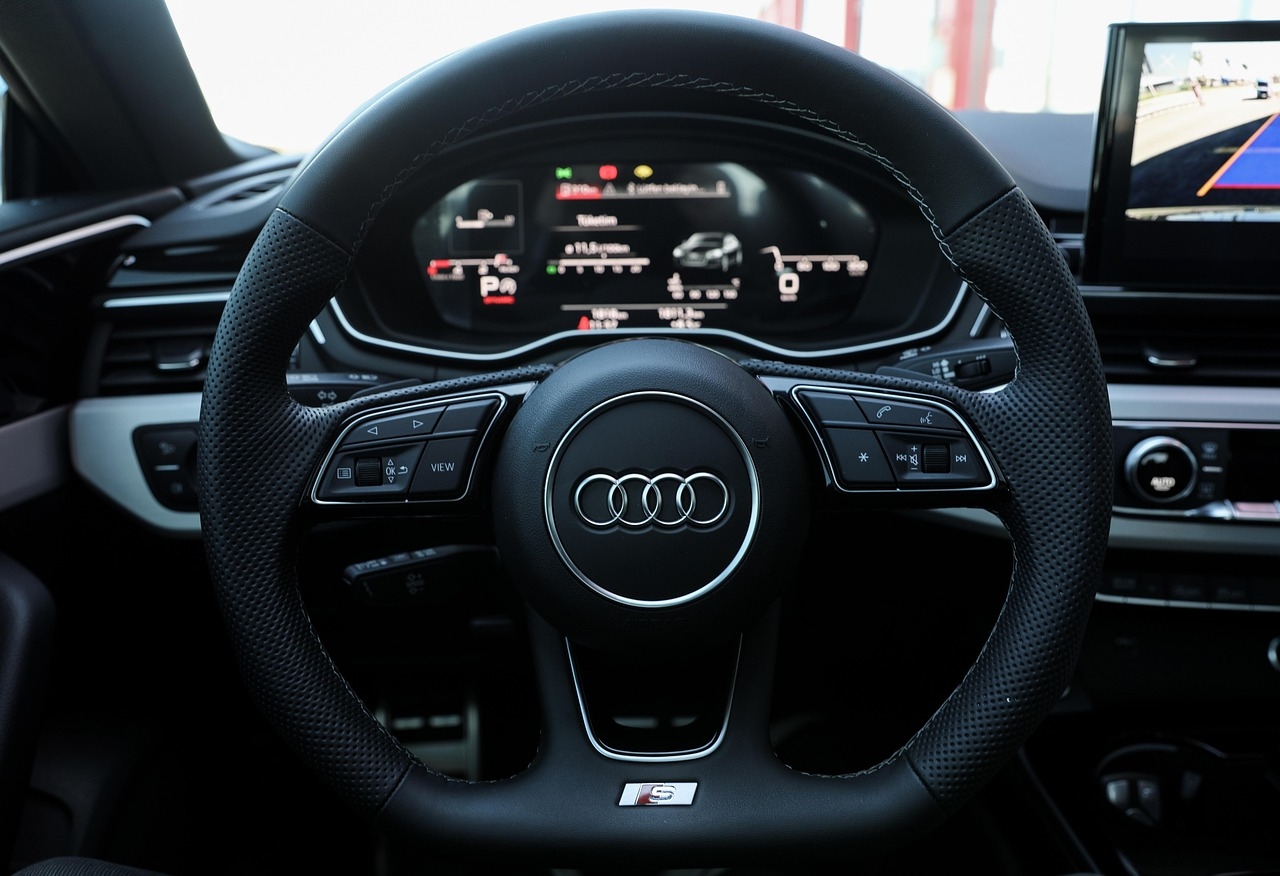
The interior of RS models emphasizes deep driver-vehicle integration, best demonstrated by the distinctive steering wheel design. The Audi RS steering wheel, often finished in Alcantara or perforated leather, features a dedicated RS Mode button that instantly changes engine mapping and chassis firmness. Items like the Audi RS6 steering wheel or the Audi TT RS steering wheel feature a flat bottom and larger shift paddles, making maneuvering easier during dynamic driving. Global Parts often offers genuine interior accessories that allow for Audi mechanical tuning and a visual refresh of the cabin.
Audi RS Technical Tables
| Characteristic | Audi A6 (Standard) | Audi RS6 (C8) | Technical difference |
|---|---|---|---|
| Engine capacity | 2.0 / 3.0 TFSI | 4.0 TFSI V8 | Larger volume, 2x Turbo |
| Maximum power | 204 - 340 HP | 600 hp | Reinforced crank system |
| Braking system | 1-piston floating | 10-piston fixed | Huge downforce |
| Suspension | Pneumatic / Steel | DRC (Hydraulic) | Roll reduction |
| Wheelbase | Standard | Widened by approx. 40mm | Better lateral stability |
FAQ – Frequently asked questions about Audi RS models
| Element | RS Characteristics | Advantages |
|---|---|---|
| Exhaust system | Active flaps, oval tips | Sporty sound, better flow |
| Brake discs | Floating or Ceramic | Resistance to high temperatures |
| Steering wheel | Alcantara, RS Mode button | Firm grip, quick access to modes |
| Front bumper | Large air intakes (Honeycomb) | More efficient intercooler cooling |
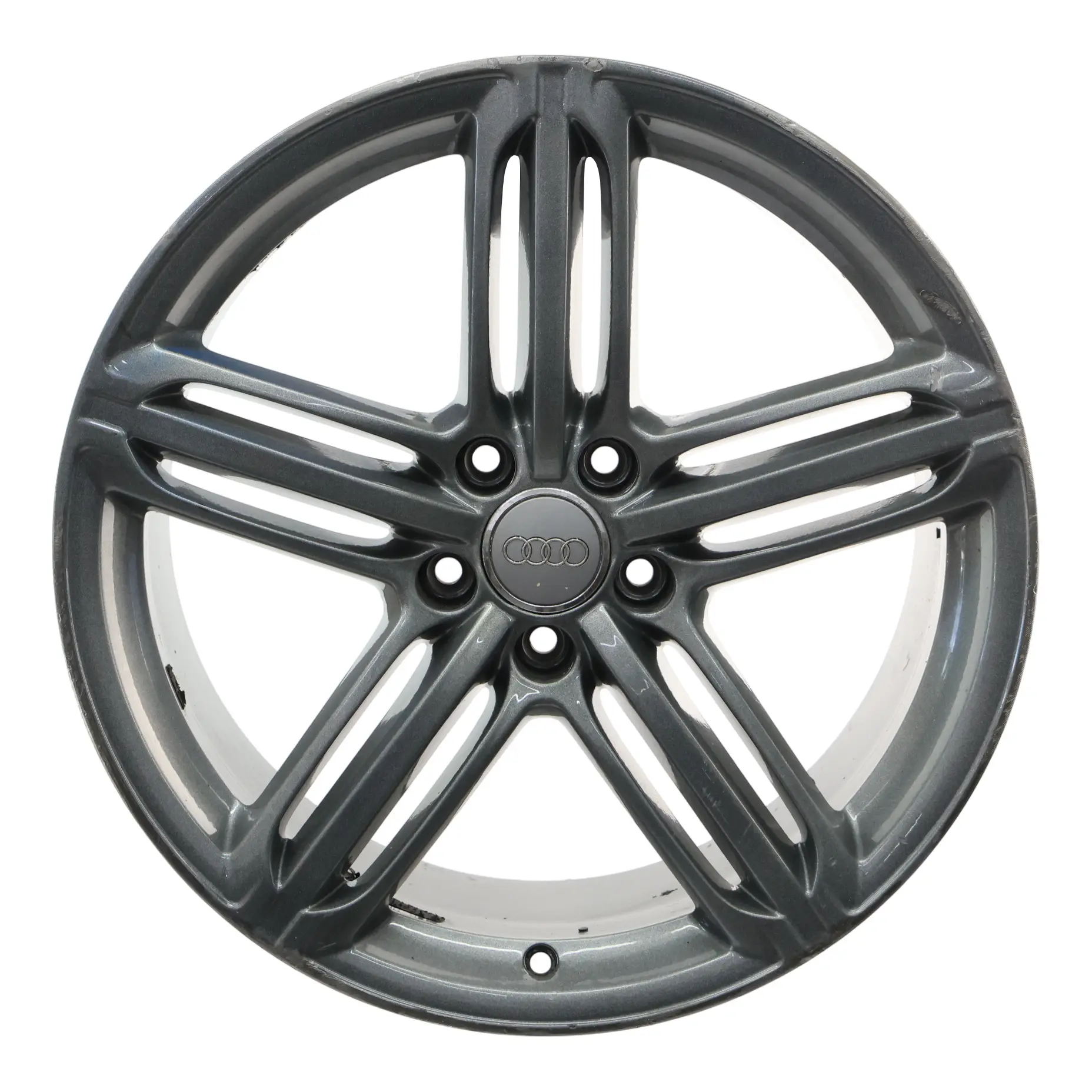
| Rims | Forged aluminum, low ET | Lower weight, aggressive look |
| Question (FAQ) | Answer | |
| --- | --- | |
| What is the difference between the Audi S and the RS? | The S models are sporty street versions for everyday driving, while the RS models are uncompromising performance machines with unique engines and chassis. | |
| Do Audi A4 parts fit the Audi RS4? | Most of the bodywork and mechanical components are different due to the widened body and reinforced engine of the Audi RS4. | |
| What does the DRC system in the Audi RS offer? | Dynamic Ride Control is a hydraulic system that connects the shock absorbers diagonally, reducing vehicle dive and roll without electronics. | |
| How to check the authenticity of Audi RS parts? | The most reliable method is to select parts by VIN/OEM from trusted suppliers such as Global Parts, which guarantees compliance with the technical documentation. | |
| Why are ceramic brakes in the RS so expensive? | They are made of a carbon-ceramic composite that can withstand temperatures up to 800°C and last for a mileage of around 300,000 km. | |
| Is the Audi RS3 engine unreliable? | The 2.5 TFSI unit is considered to be armored, as long as you adhere to the oil intervals and keep the charging system clean. |