


Servos and brake force correctors
More informationAt the Global Parts automotive store, we offer a wide selection of original used car parts, including brake boosters and brake fluid regulators for many popular car brands such as BMW, Mini, Mercedes, Audi, Volkswagen, and others. The brake boosters and brake fluid regulators we offer undergo quality control to ensure you receive a top-quality product.
Make
Category
Subcategory
Condition
In Stock
Price
-15%
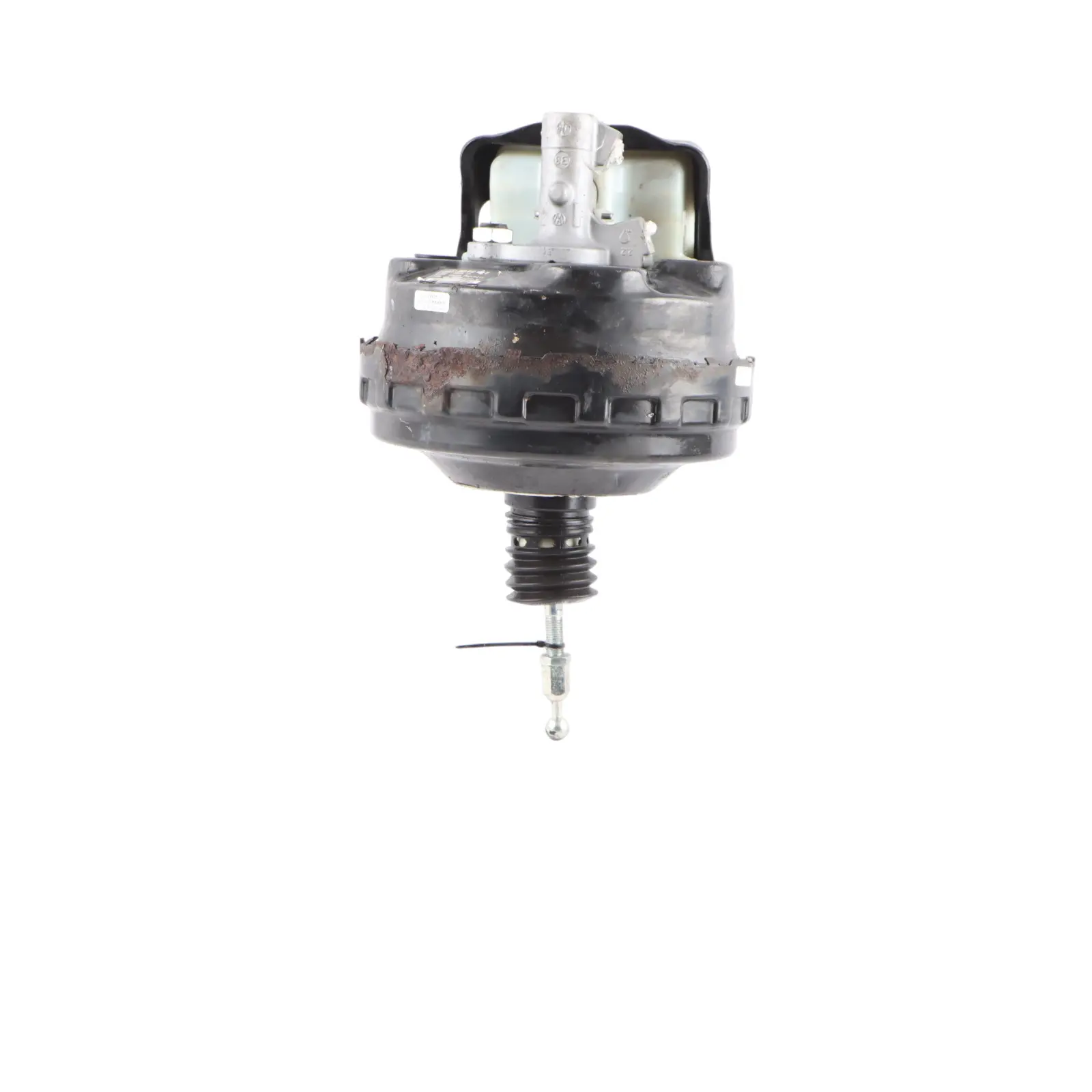
Part no. 8K0612103E
Audi A4 B8 A5 8T Brake Servo Booster Master Cylinder Module 8K0612103E
Promo price
€47.95
€40.76
Free delivery: Jul 6 – 9
If paid before 14:00
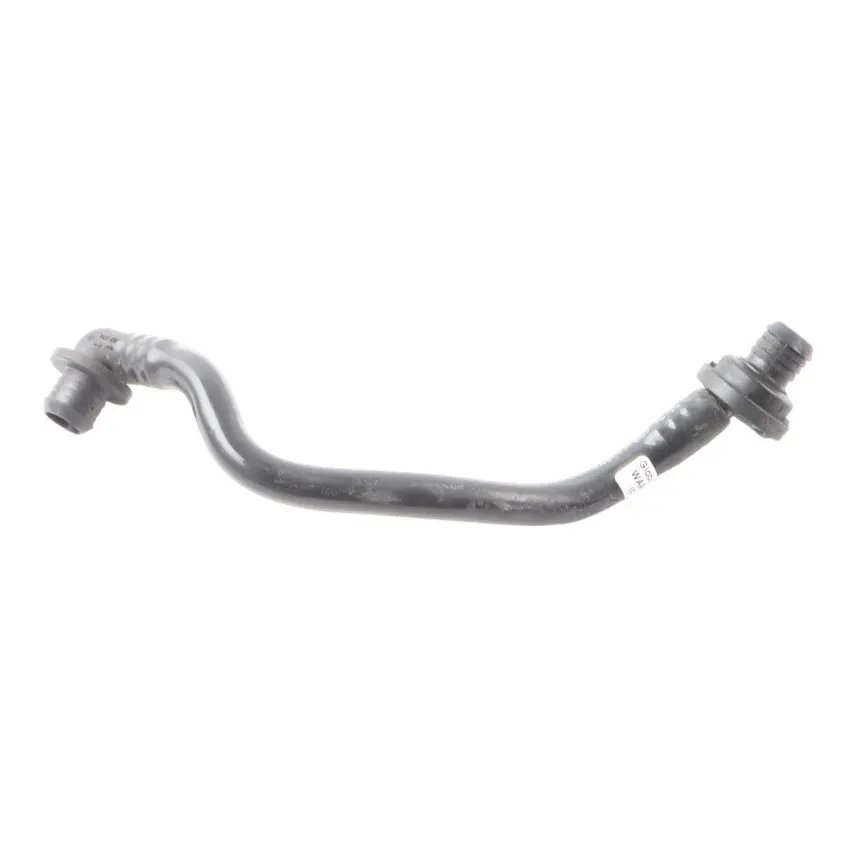
Part no. RHD-8K2611931Q
Audi A4 B8 Brake Servo Vacuum Pipe Hose Line 8K2611931Q
€23.95
Free delivery: Jul 6 – 9
If paid before 14:00
-40%
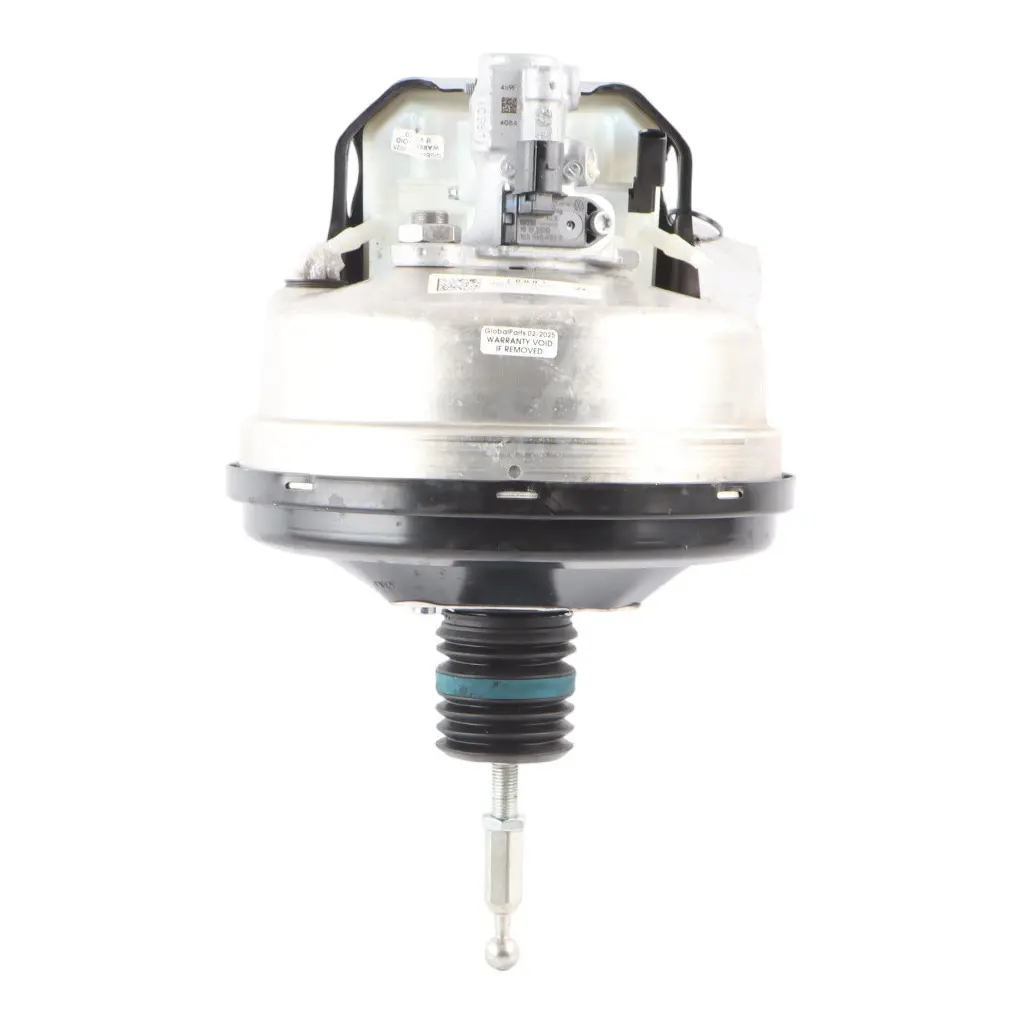
Part no. 8W0612103K
Brake Servo Audi A4 B9 A5 F5 Braking Unit Master Cylinder Booster 8W0612107
Promo price
€94.95
€56.97
Free delivery: Jul 6 – 9
If paid before 14:00
-15%
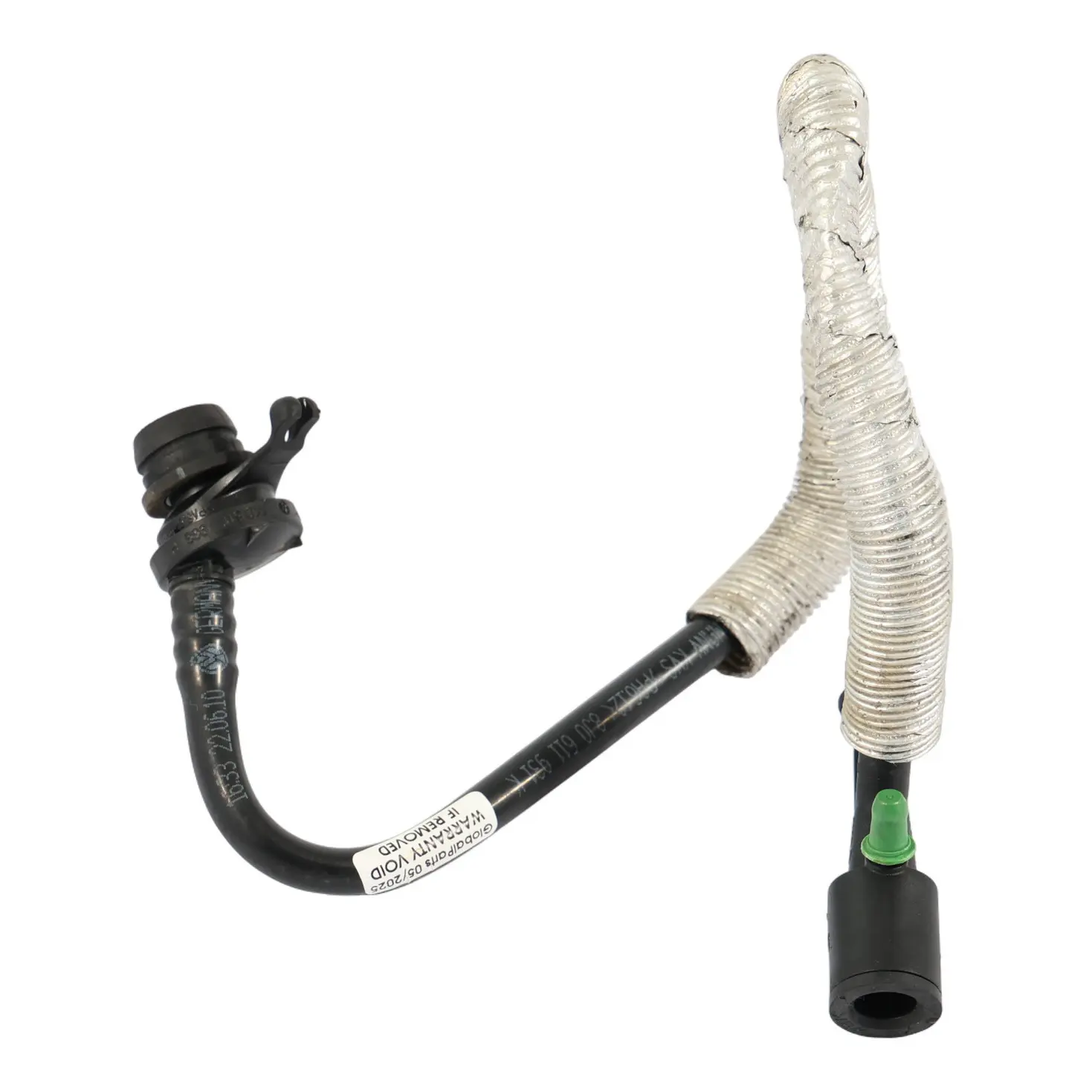
Part no. 8J0611931L
Audi TT 8J Vacuum Pipe Brake Booster Servo Line Hose 8J0611931K
Promo price
€37.95
€32.26
Free delivery: Jul 6 – 9
If paid before 14:00
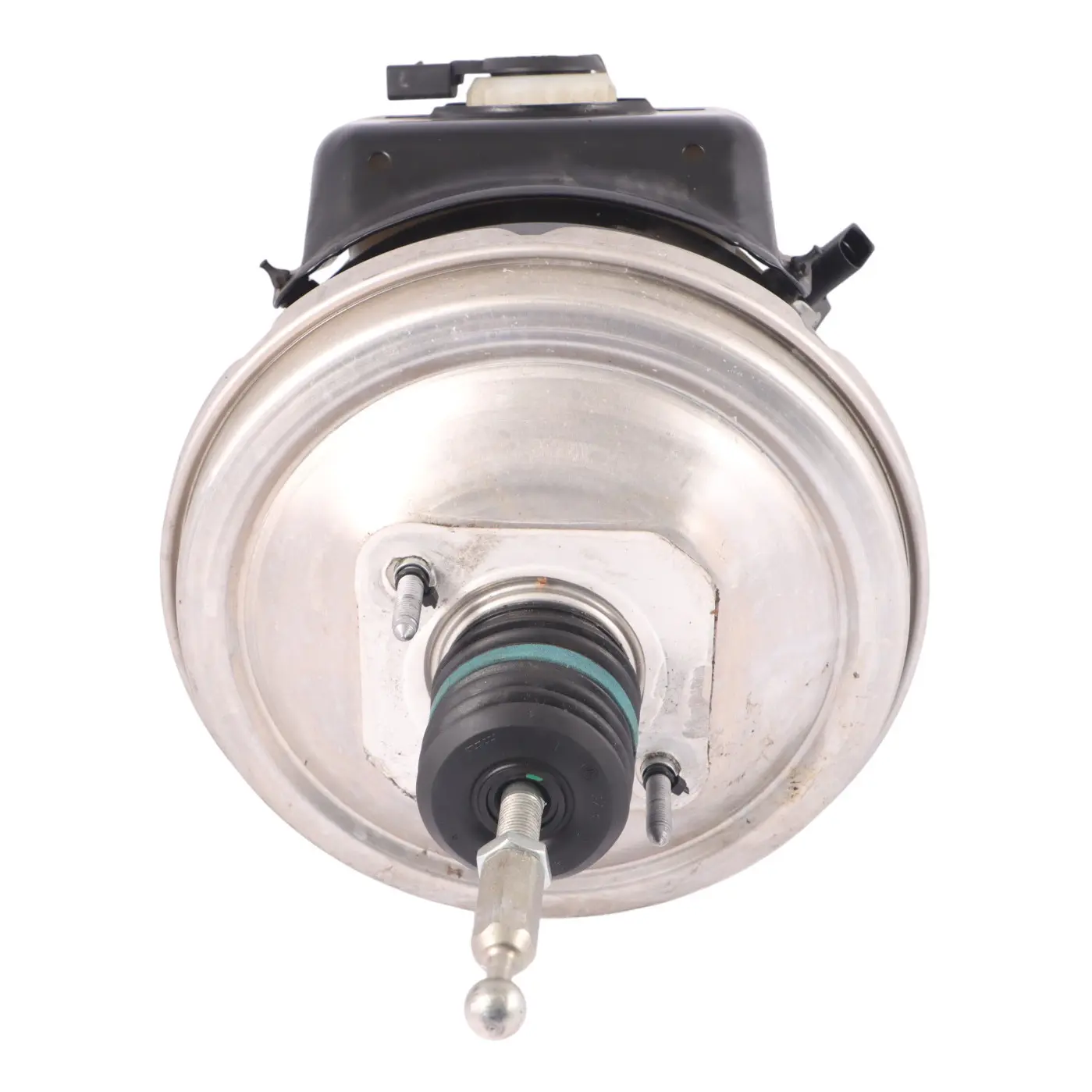
-15%
Part no. 8K0612103N
Audi A5 8T 2.0 TDI CNHA Brake Servo 8K0612103N
Promo price
€32.95
€28.01
Free delivery: Jul 6 – 9
If paid before 14:00

-5%
Part no. 6N1611349B
Audi A4 S4 B7 Brake Fluid Reservoir Screw Filler Tank Cap 6N1611349B
Promo price
€23.95
€22.75
Free delivery: Jul 6 – 9
If paid before 14:00
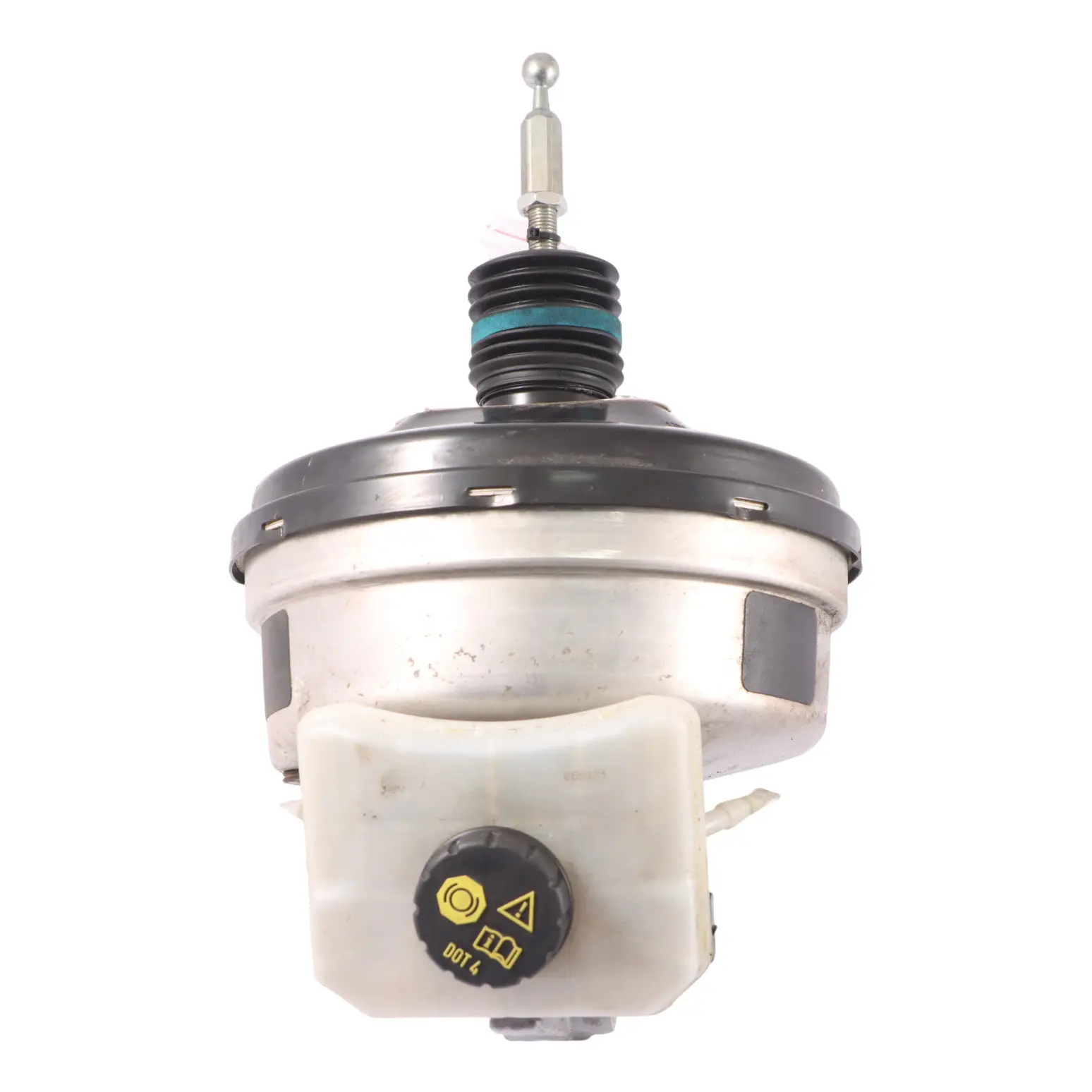
-15%
Part no. 8W0612107
Audi A4 B9 Master Cylinder Brake Booster Servo Reservoir Unit 8W0612103B
Promo price
€32.95
€28.01
Free delivery: Jul 6 – 9
If paid before 14:00
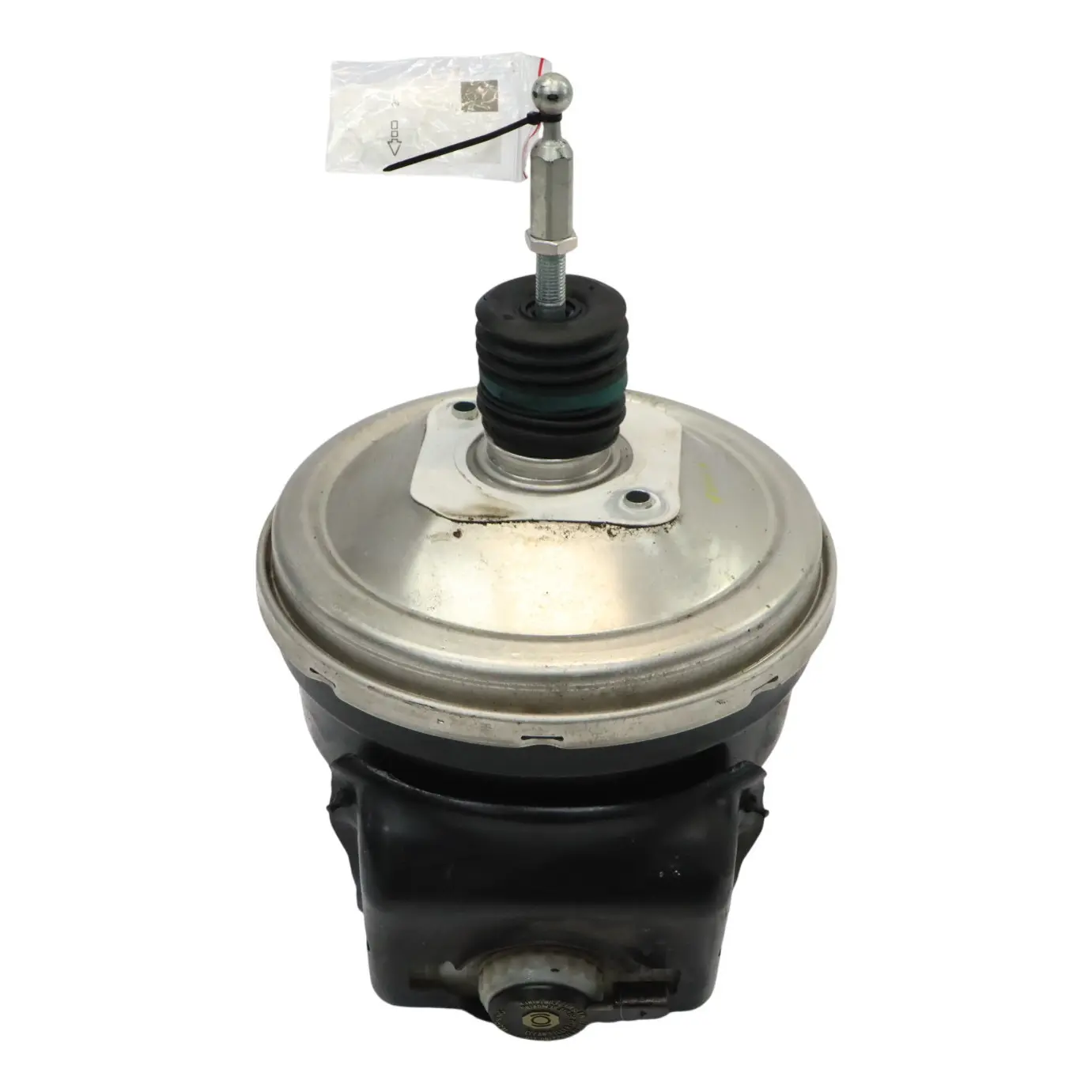
-40%
Part no. 8K0612107D
Audi A5 Power Brake Servo Unit Master Cylinder 8K0612107D
Promo price
€47.95
€28.77
Free delivery: Jul 6 – 9
If paid before 14:00
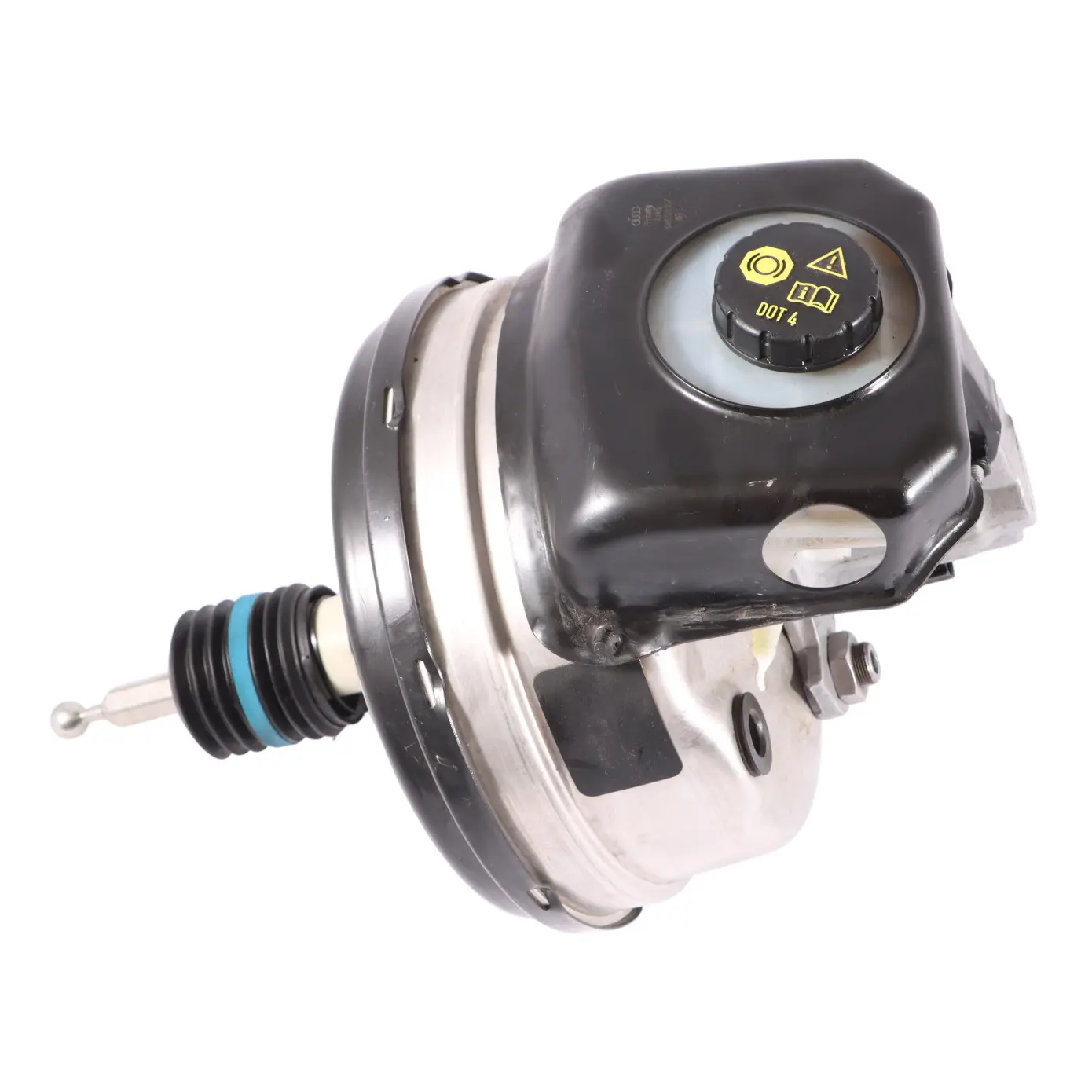
-5%
Part no. 8W0612103G
Audi A5 F5 Petrol Brake Servo Braking Unit Master Cylinder Booster 8W0612103G
Promo price
€23.95
€22.75
Free delivery: Jul 6 – 9
If paid before 14:00
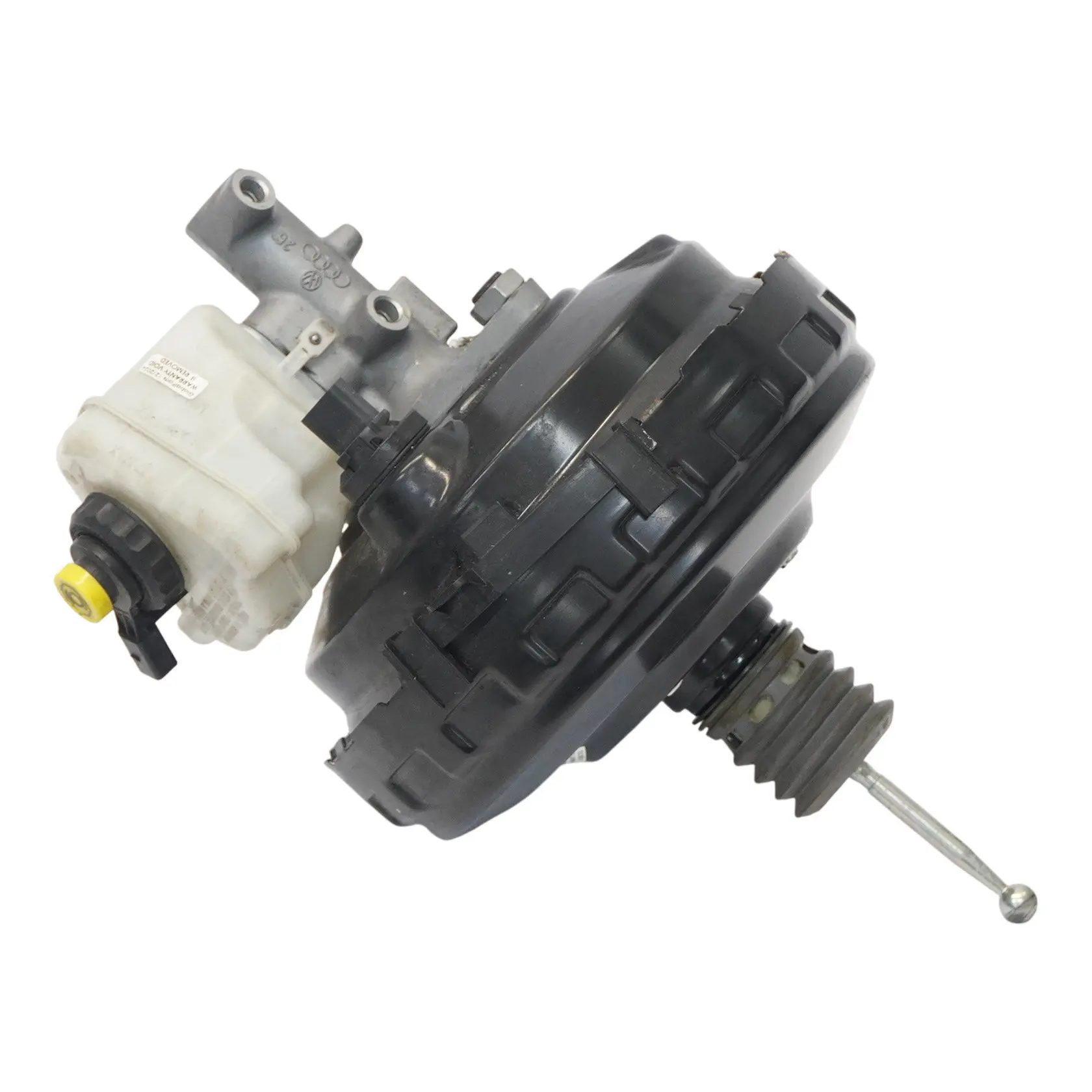
Part no. 7L8612105P
Audi Q7 4L Brake Servo Brake Master Cylinder Booster Unit 7L8612105P 7L8612101
Product currently unavailable
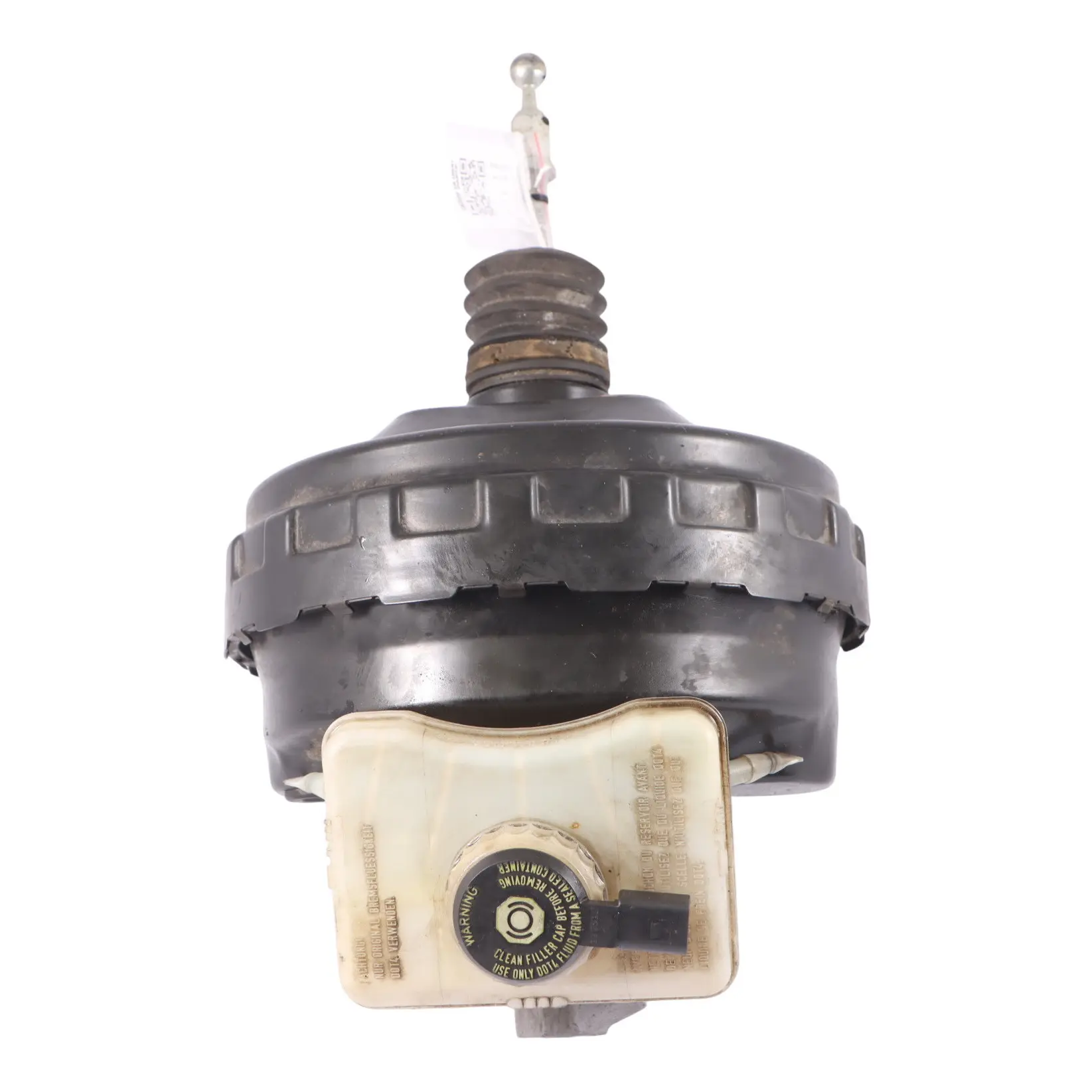
Part no. 8R0612107B
Audi Q5 8R Brake Master Cylinder Servo 8R0612103D
Product currently unavailable
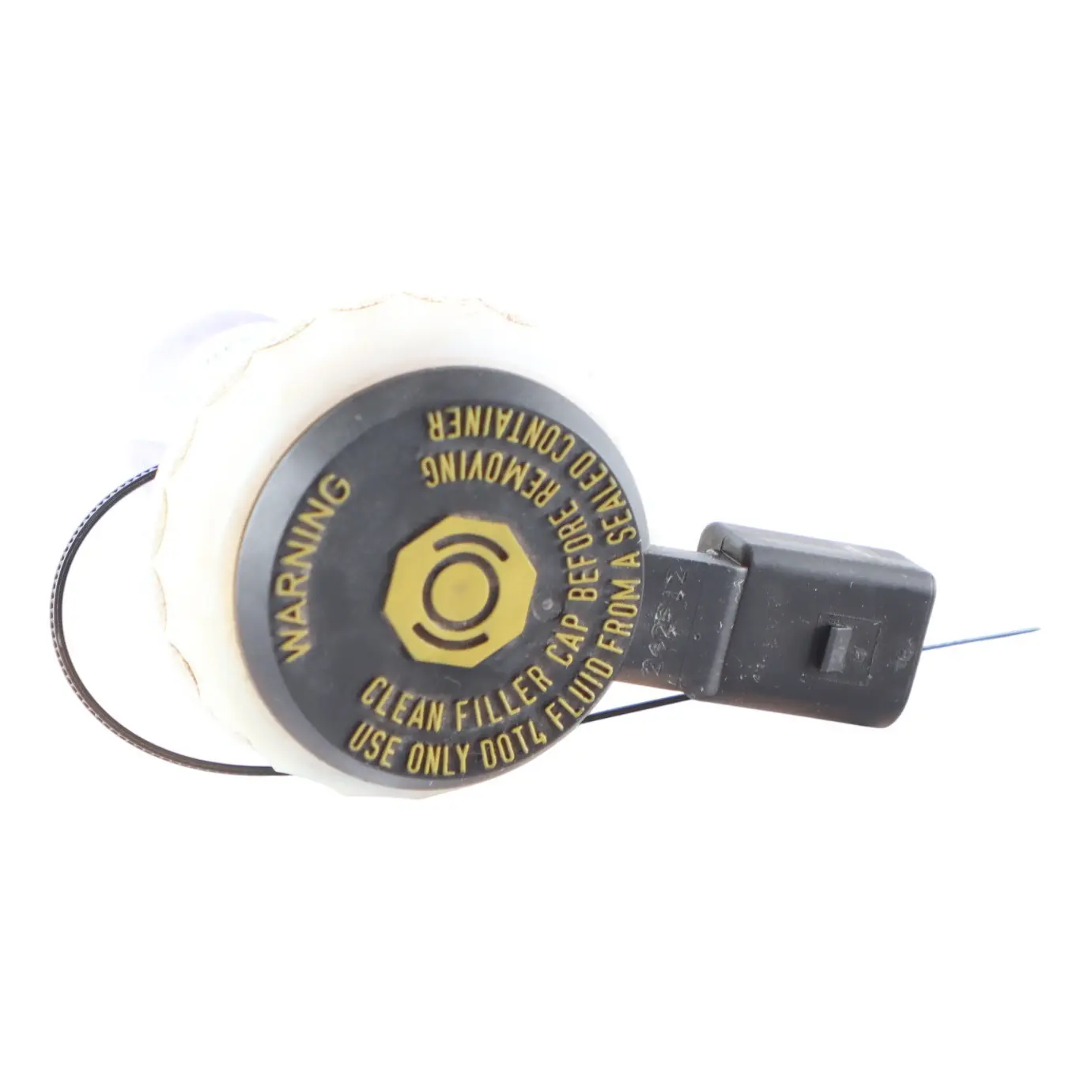
Part no. 8K0611357
Audi A5 8T Servo Brake Expansion Tank Cover Cap Level Sensor 8K0611357
Product currently unavailable
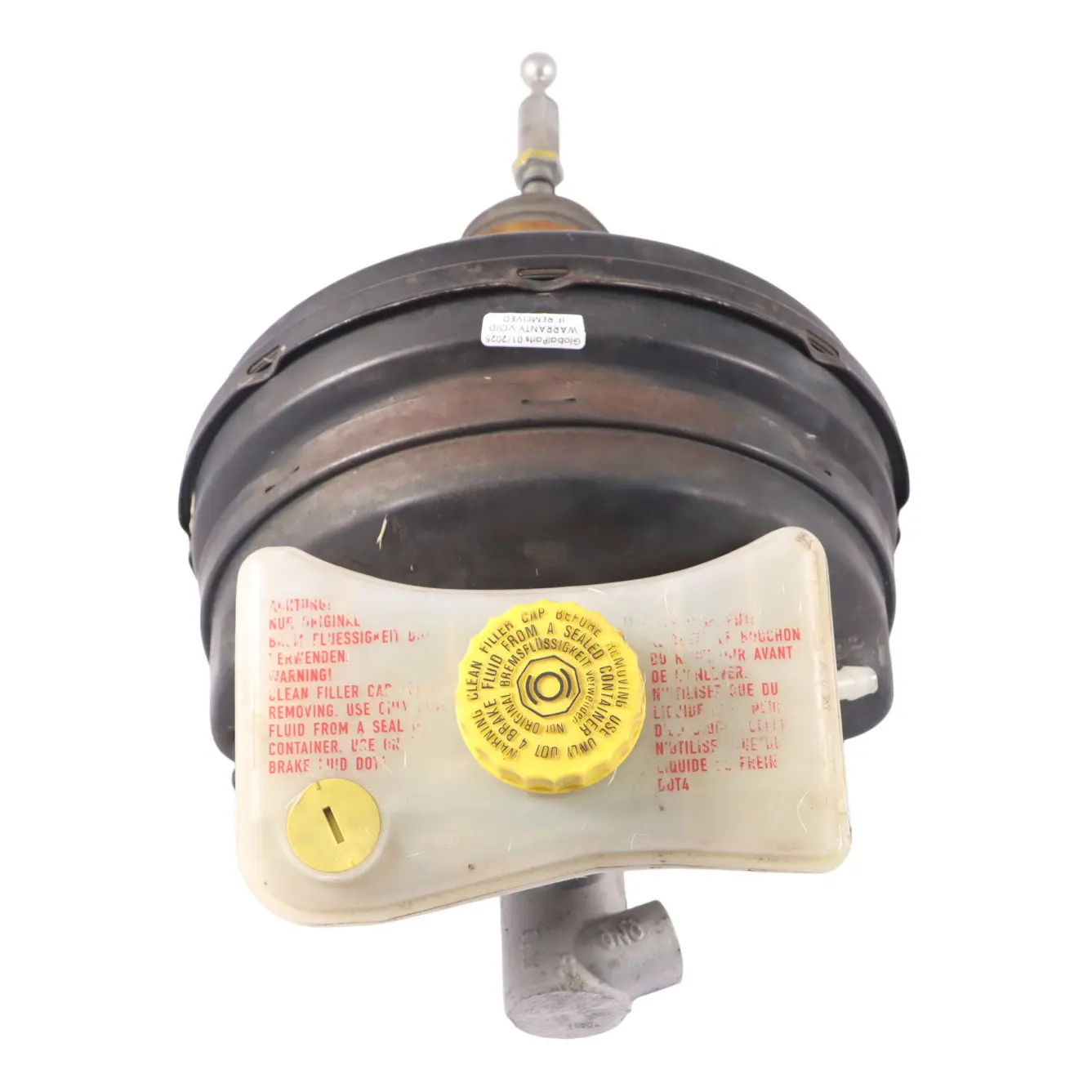
Part no. 8E0612107F
Audi A4 B7 Brake Servo Booster Master Cylinder 8E0612107F
Product currently unavailable
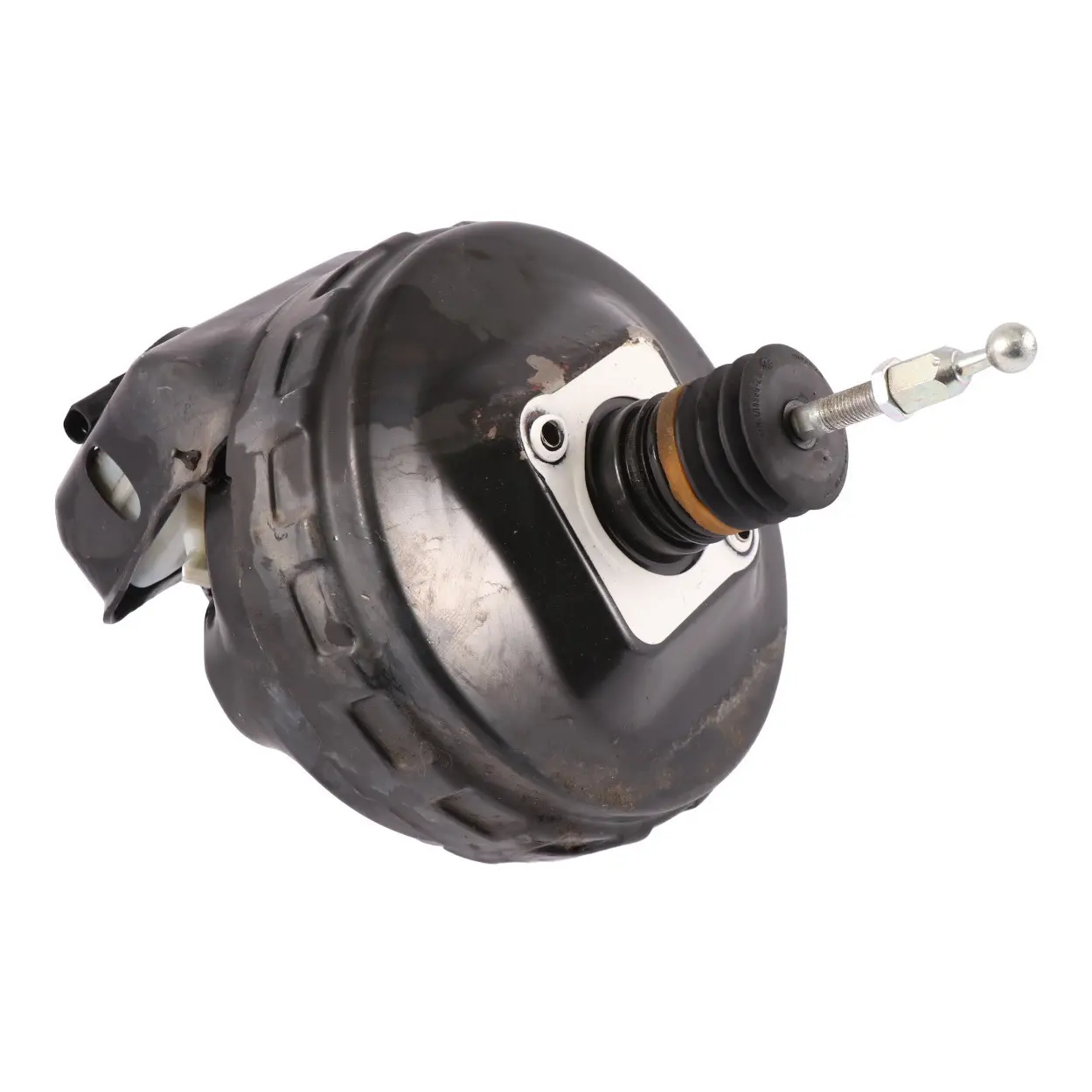
Part no. 8K0612107B
Audi A4 B8 Brake Servo Booster Master Cylinder Unit 8K0612107B
Product currently unavailable
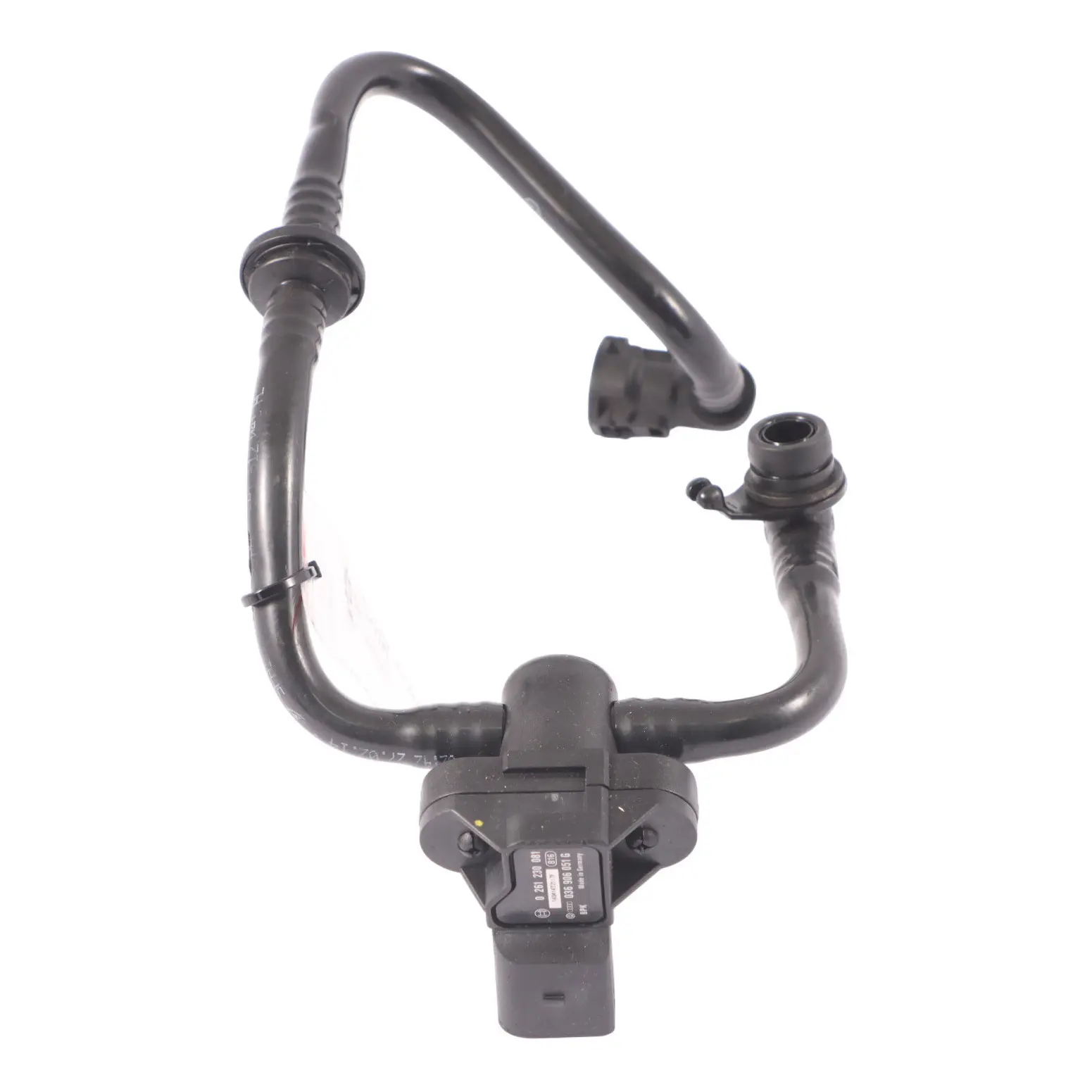
Part no. 6R1612041AL
Audi A1 8X MAP Pressure Brake Servo Vacuum Hose Pipe Line Sensor 6R1612041AL
Product currently unavailable
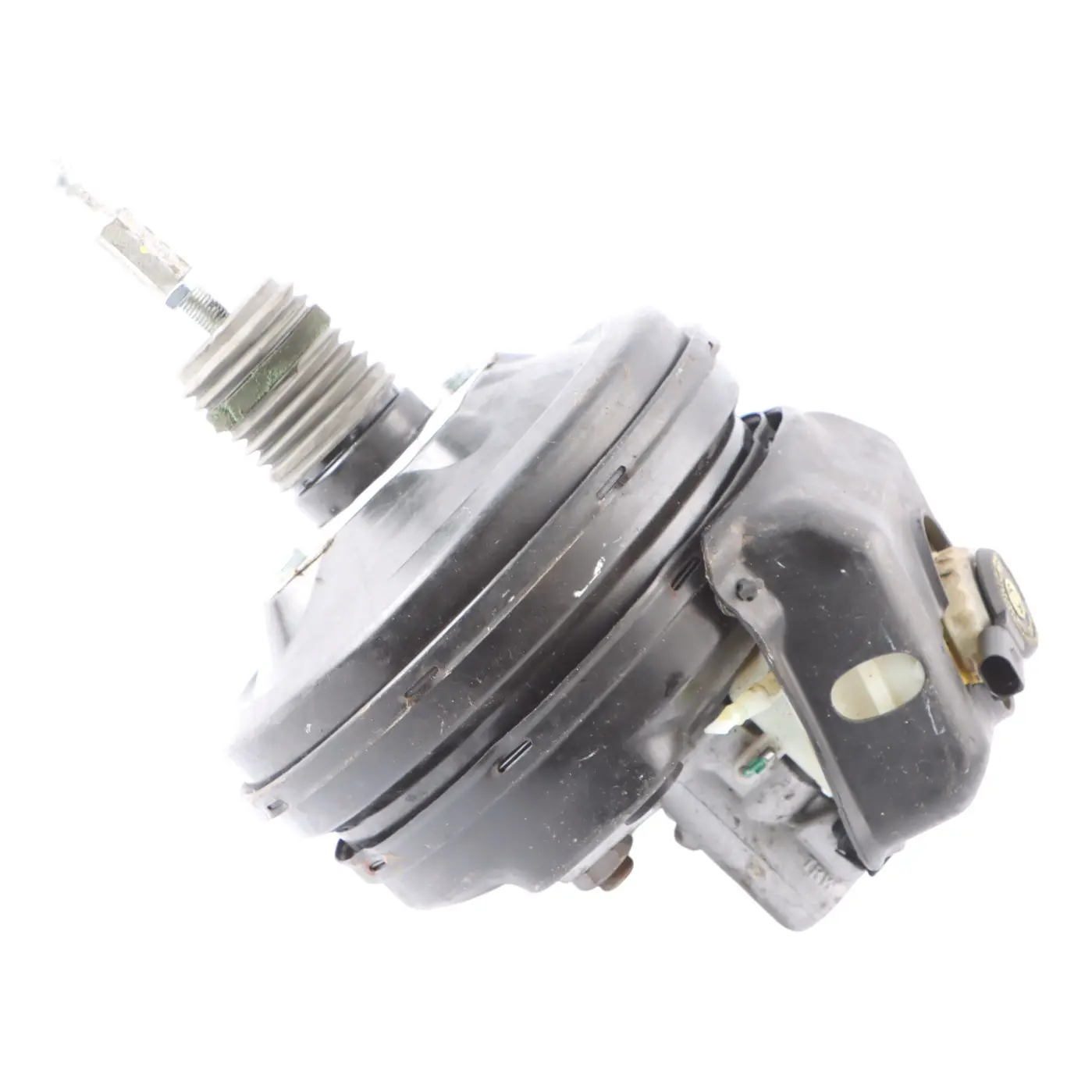
Part no. 8K0612103K
Audi S5 8T Brake Servo Master Cylinder Vacuum Booster 8K0612103K
Product currently unavailable
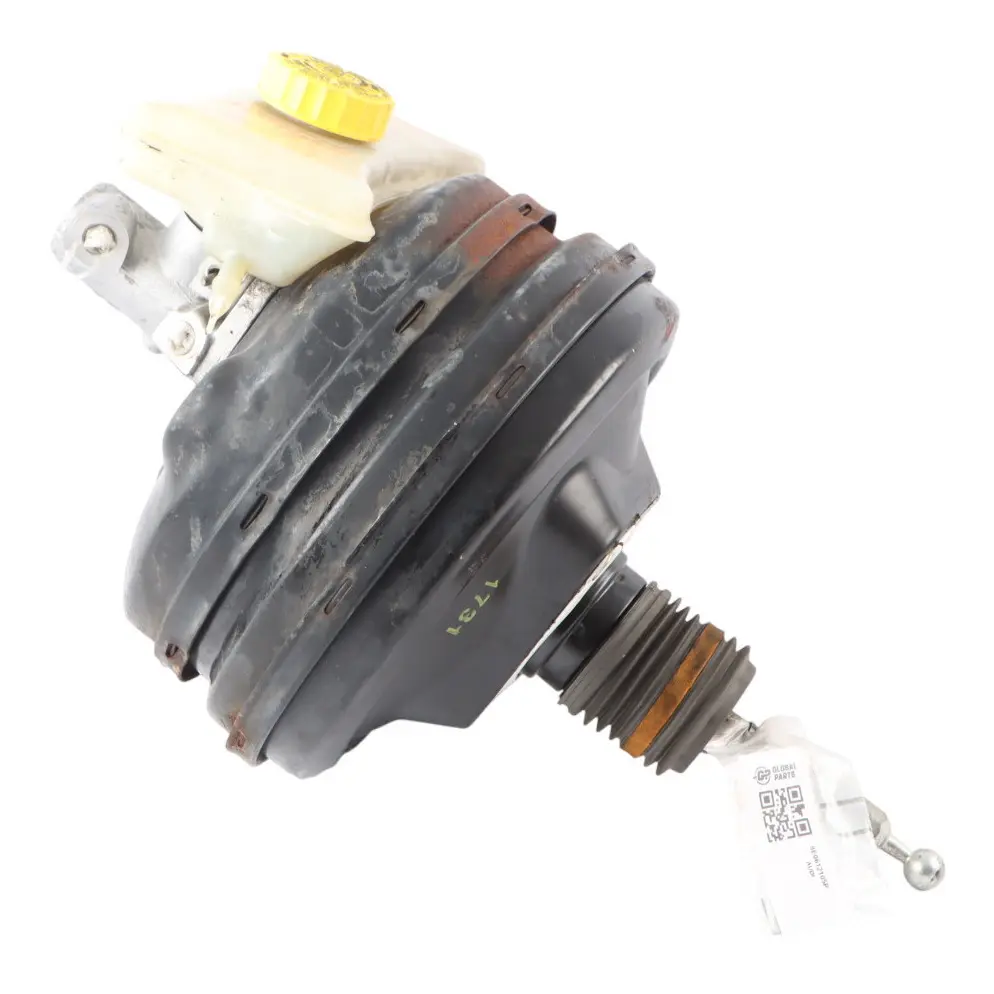
Part no. 8E0612105P
Audi A4 B7 Brake Servo Brake Master Cylinder Booster ABS Unit 8E0612105P
Product currently unavailable
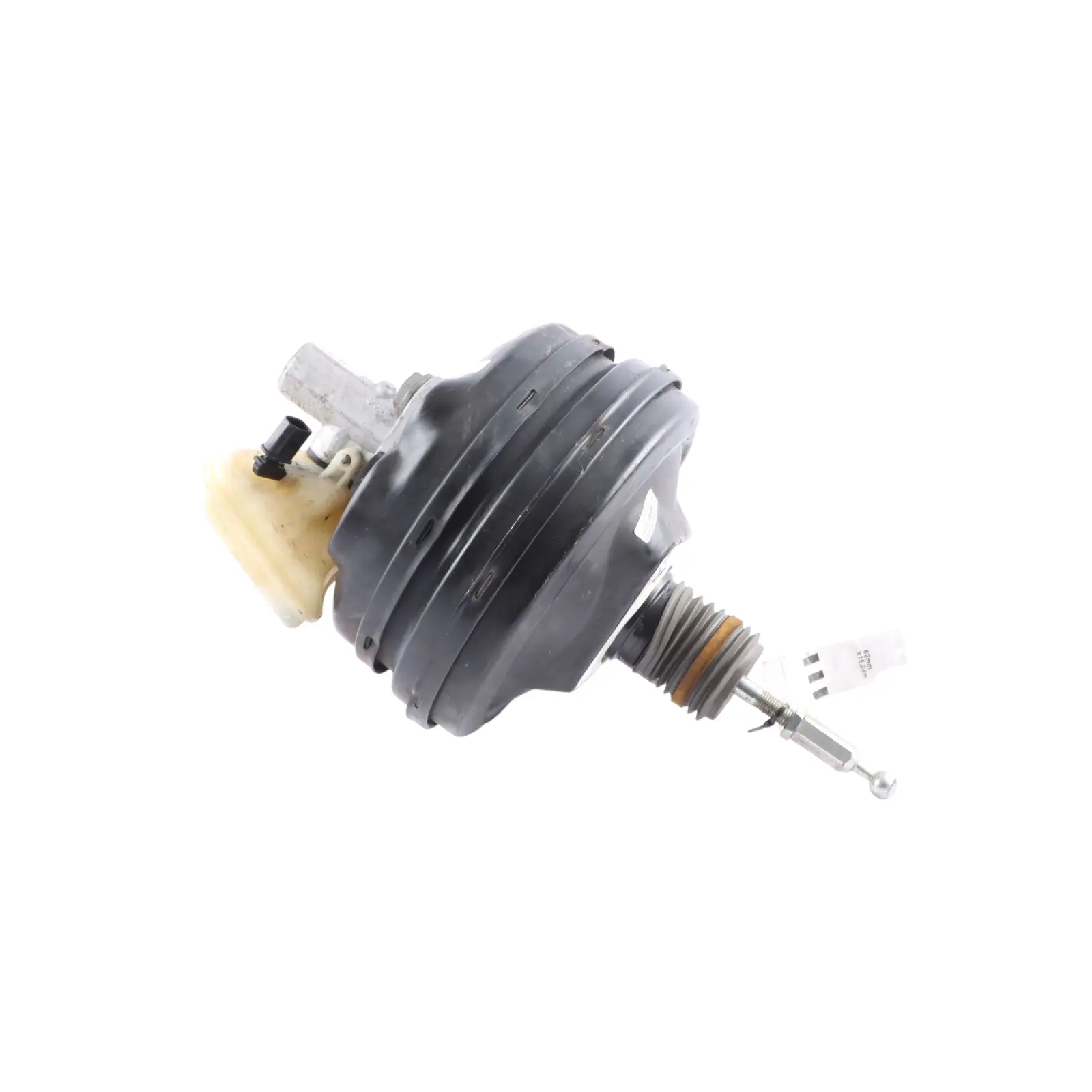
Part no. 8E0612105P-1
Audi A4 B7 Brake Servo Brake Master Cylinder Booster ABS Unit 8E0612105P
Product currently unavailable
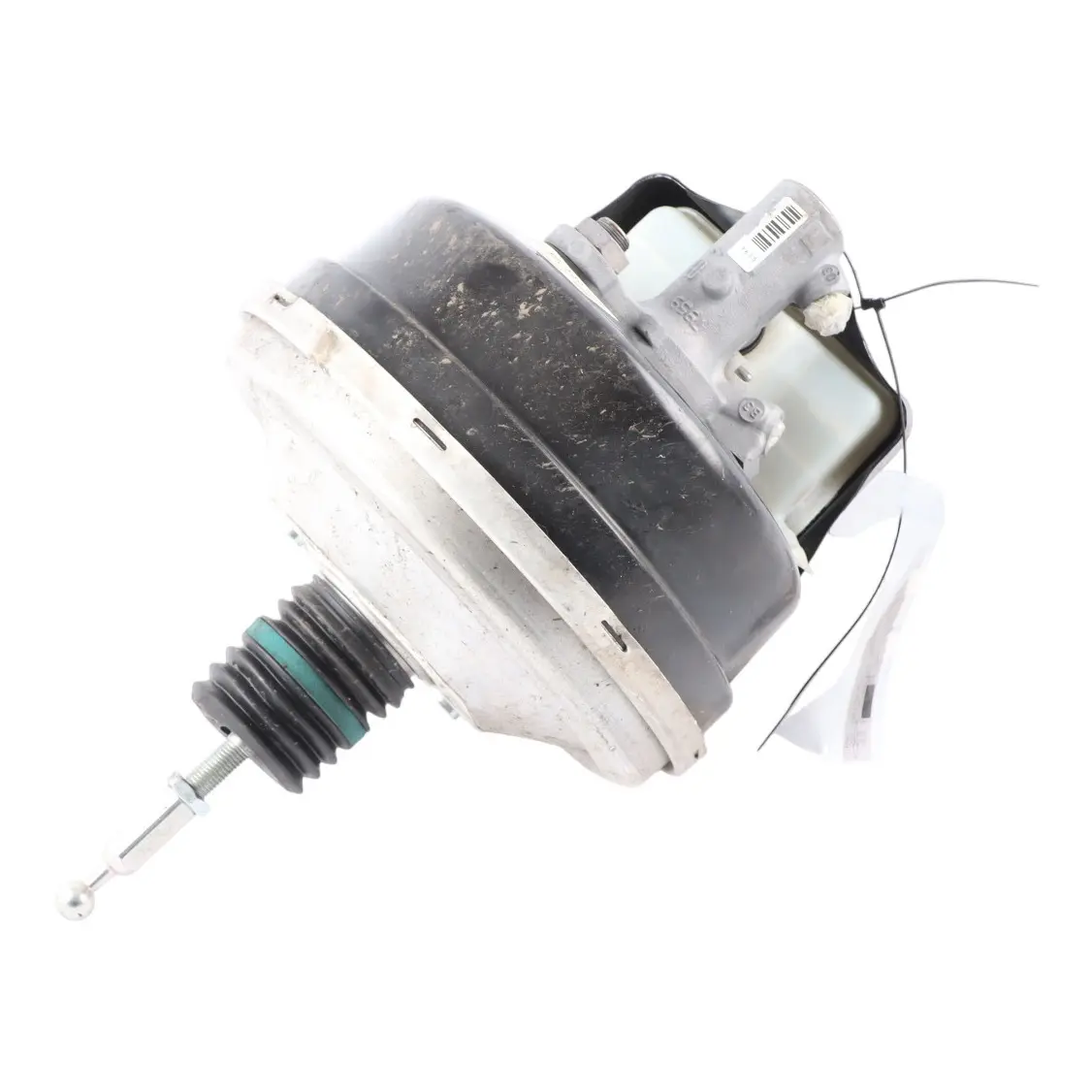
Part no. 8K0612103N-1
Audi A5 8T 2.0 TDI CNHA Brake Servo 8K0612103N
Product currently unavailable
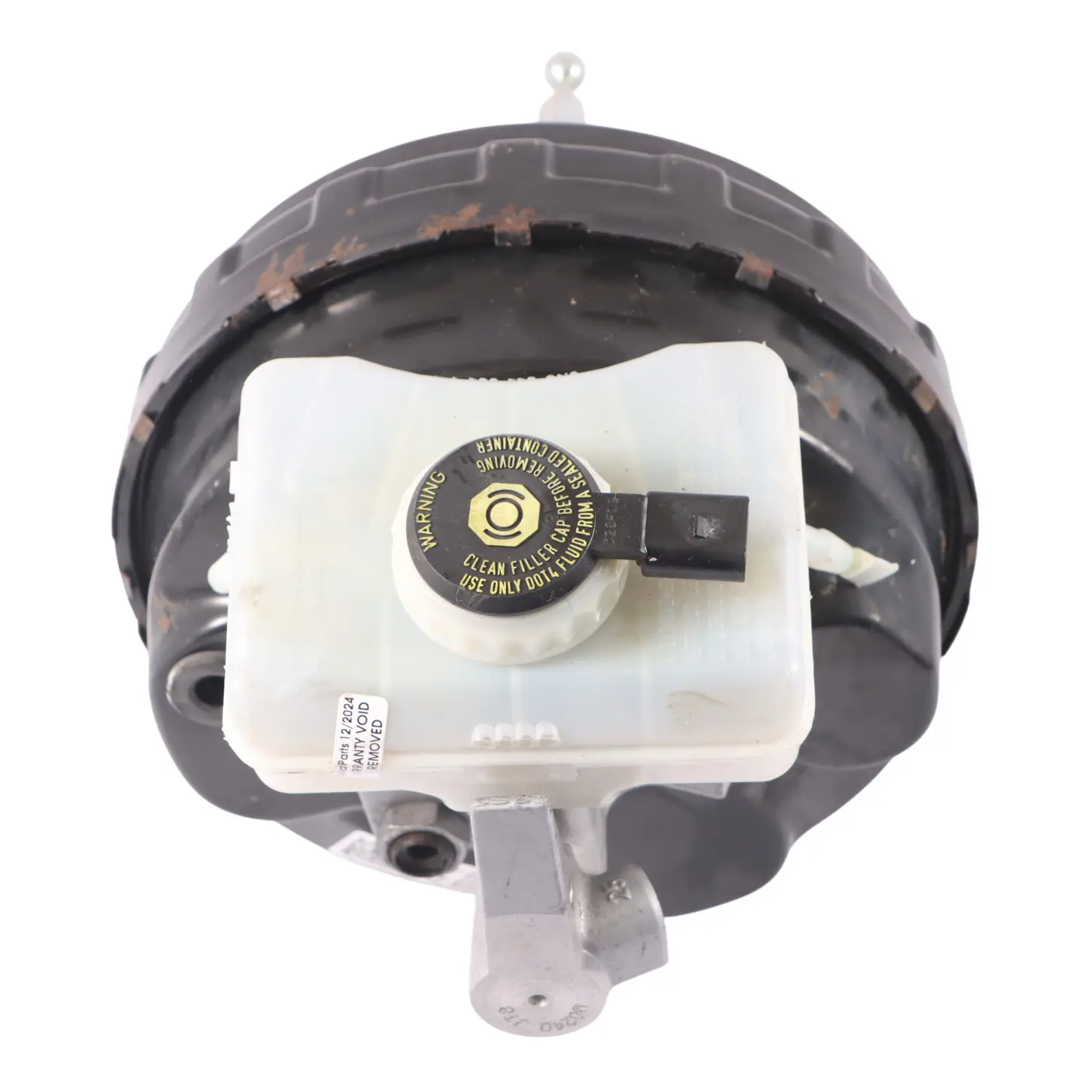
Part no. 8K0612107C
Audi A4 B8 Brake Servo Booster Master Cylinder Unit 8K0612107C
Product currently unavailable
-15%
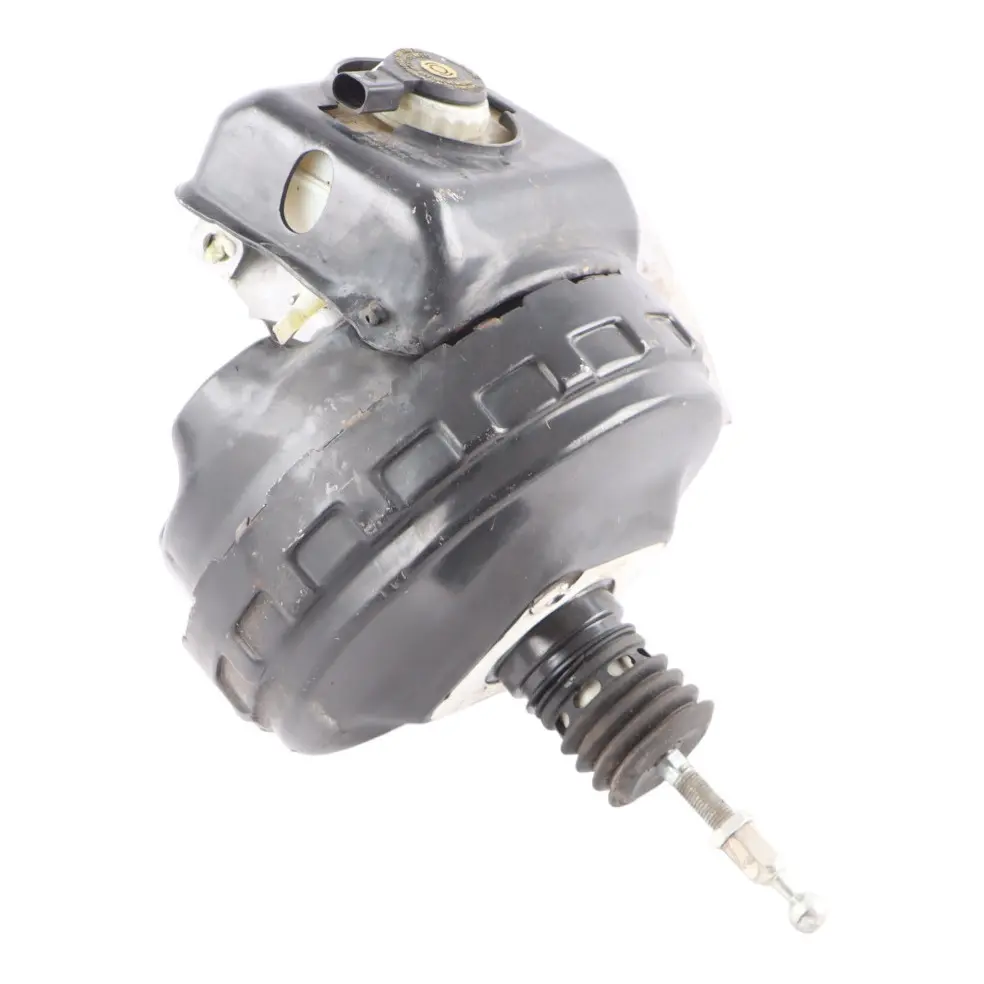
Part no. 8K0612103M
Audi S5 8T Brake Servo Master Cylinder Vacuum Booster 8K0612103M 8K0 612 107 C
Product currently unavailable
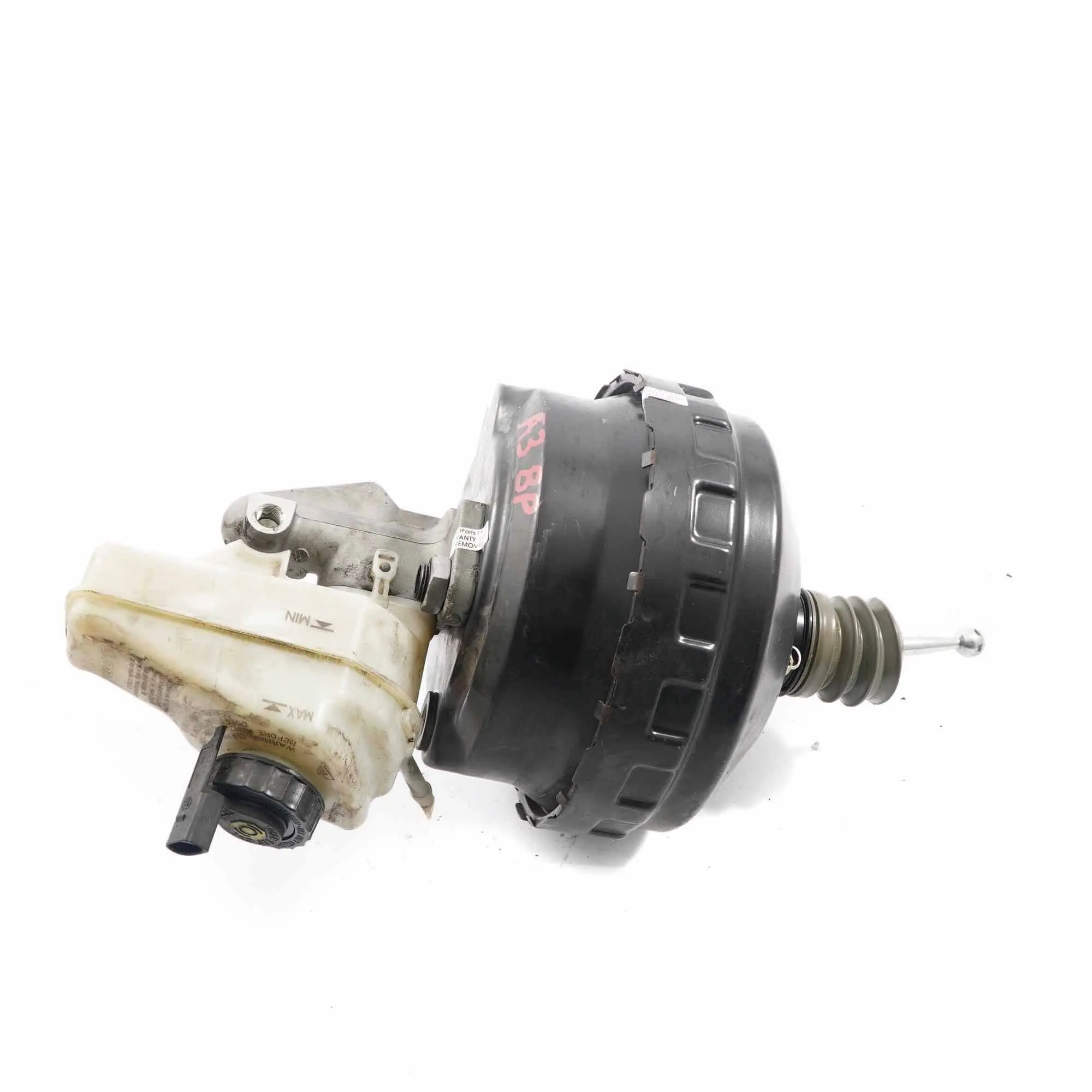
Part no. 1K2614105T
Audi A3 8P Brake Servo Braking Unit Master Cylinder Booster 6850495
Product currently unavailable
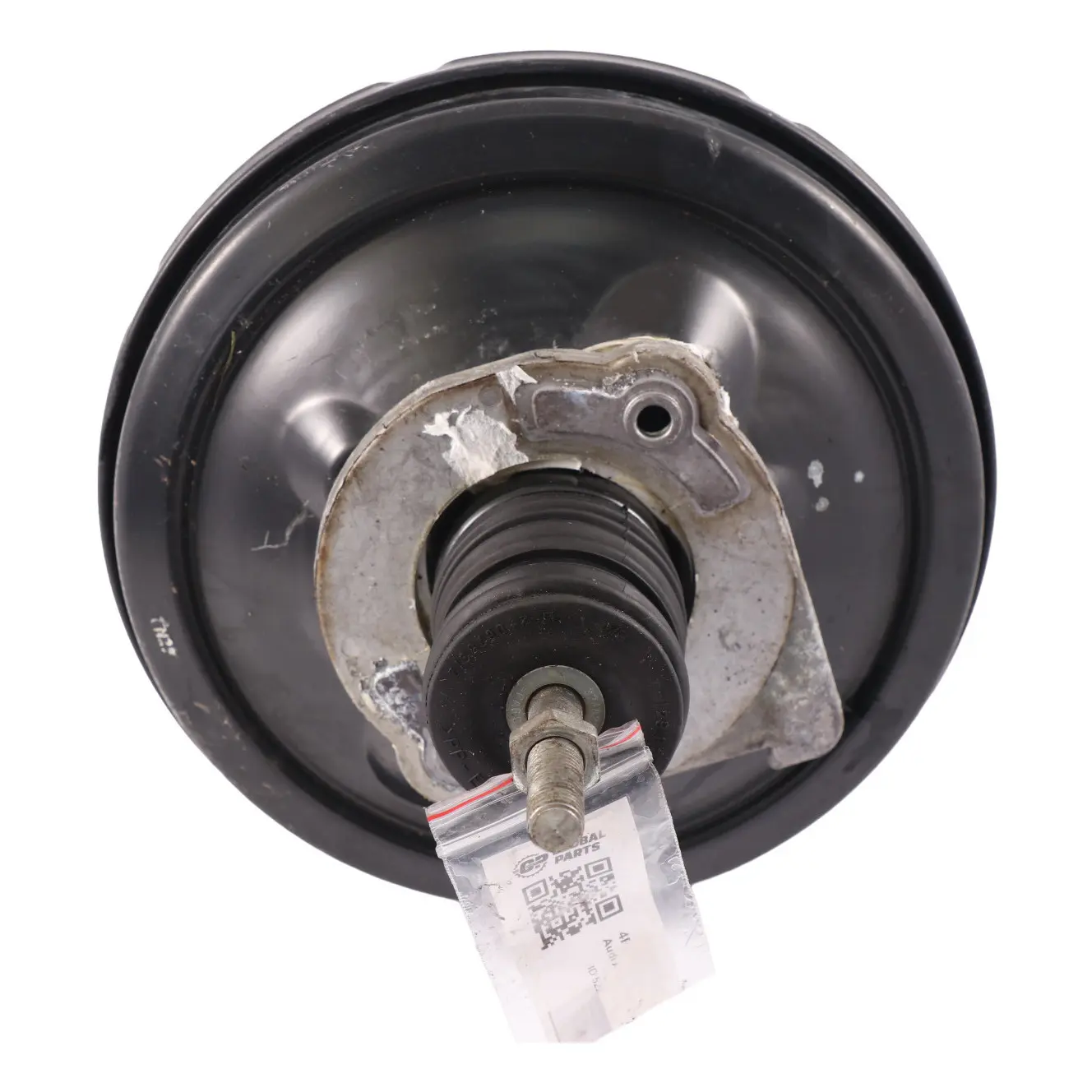
Part no. 4F0612107E
Audi A6 C6 Brake Servo Booster Master Cylinder Unit 4F0612107E
Product currently unavailable
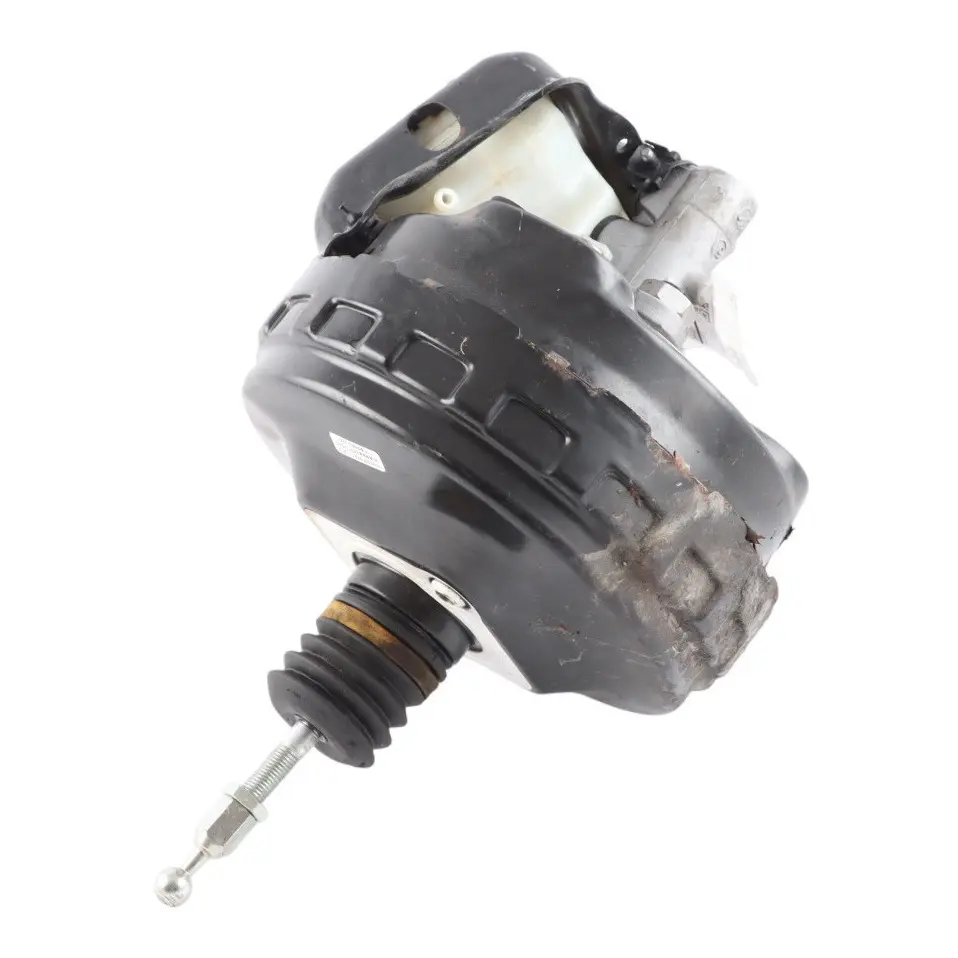
Part no. 8K0612103M-1
Audi S5 8T Brake Servo Master Cylinder Vacuum Booster 8K0612103M
Product currently unavailable
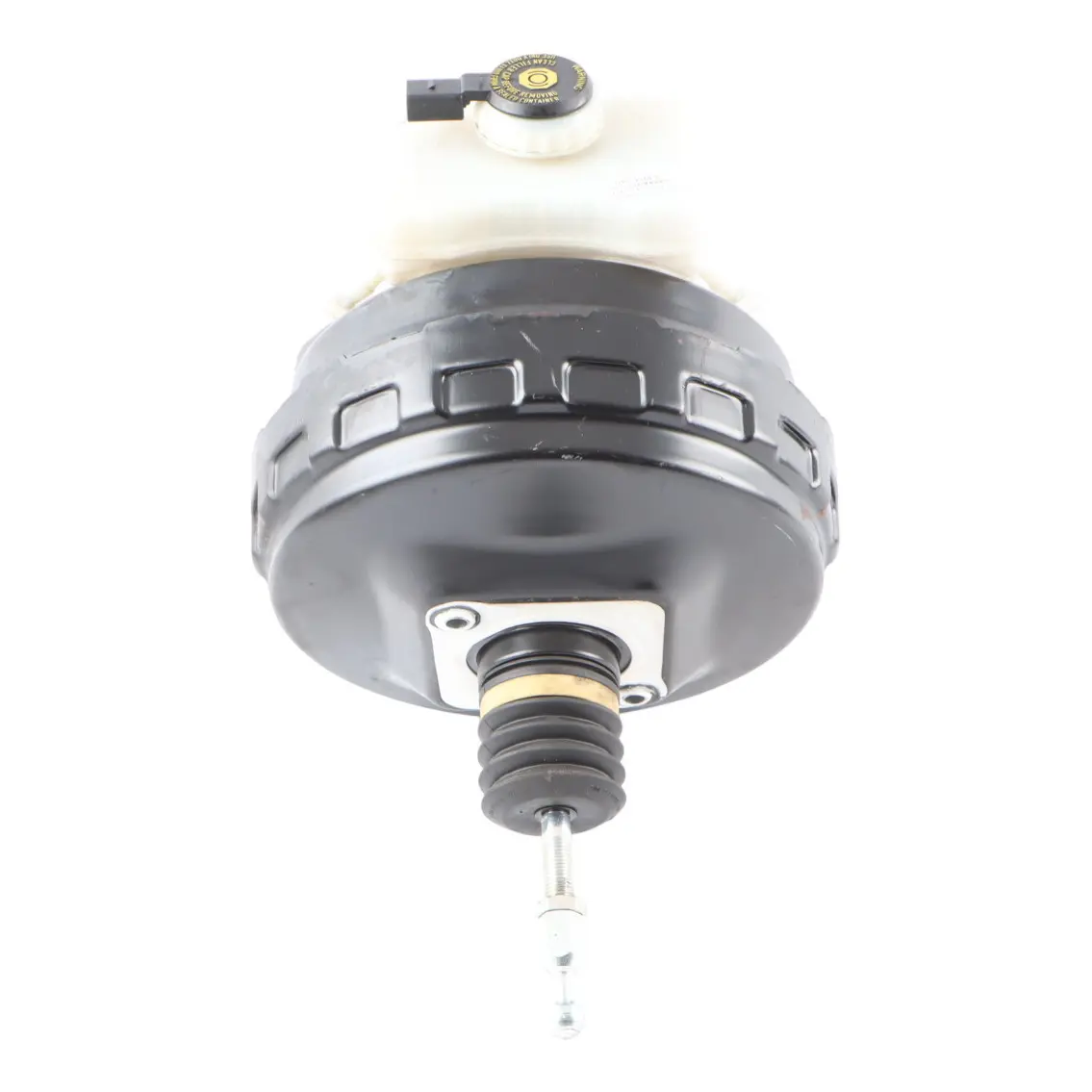
Part no. 8R0612103H
Audi Q7 4L Brake Servo Master Cylinder Vacuum Booster 8R0612103H
Product currently unavailable
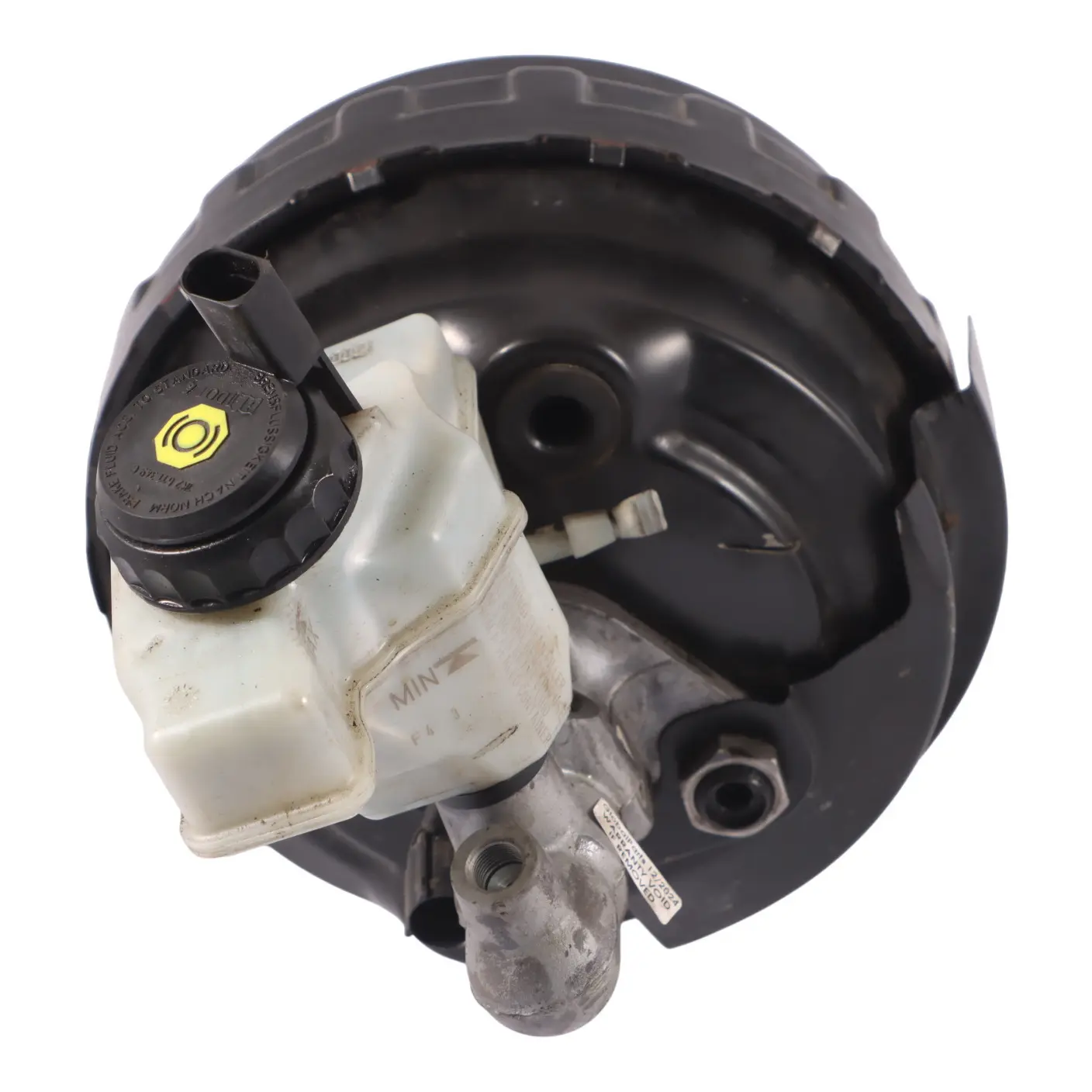
Part no. 5N2614105F
Audi Q3 8U 2.0 TDI Brake Servo Master Cylinder Unit 5N2614105F
Product currently unavailable
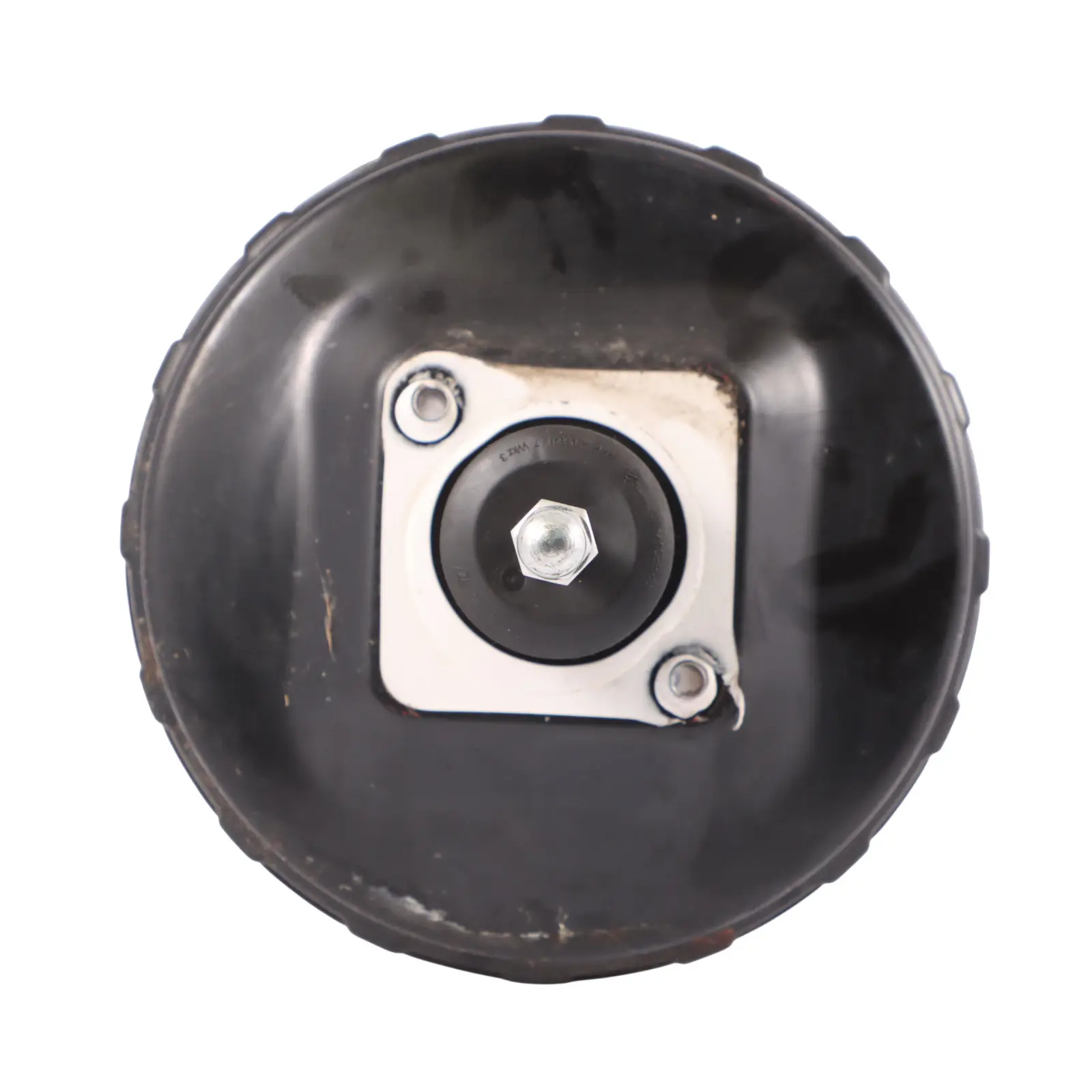
Part no. 8R0612107D
Audi Q5 8R Brake Servo Booster Master Cylinder Braking Unit 8R0612107D
Product currently unavailable
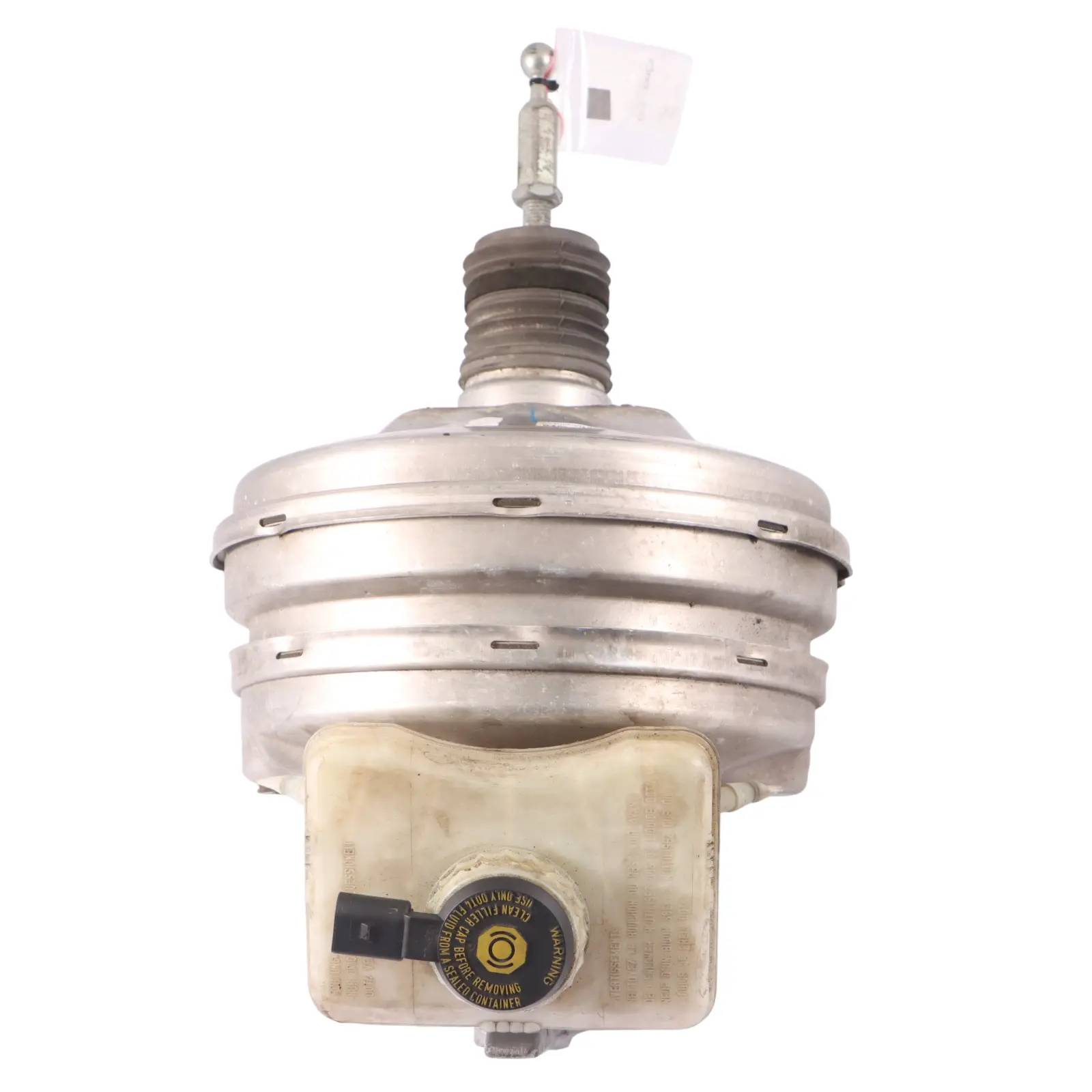
Part no. 8T0612107
Audi A8L 4H Brake Servo Booster Master Cylinder 8T0612107 4H0612103C
Product currently unavailable
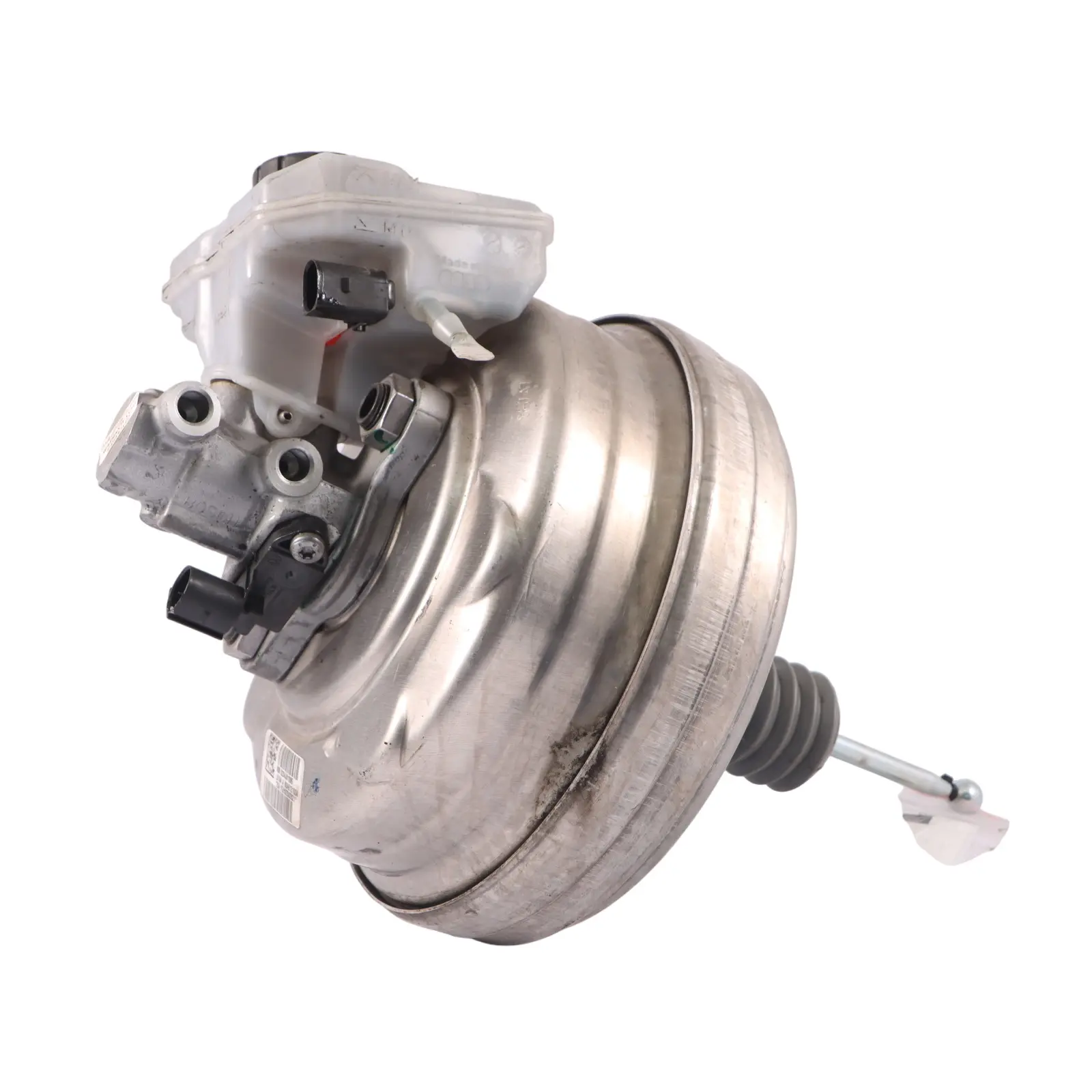
Part no. 80A612107
Audi Q5 Mk2 FY Brake Servo Booster Master Cylinder ABS 80A612103D
Product currently unavailable
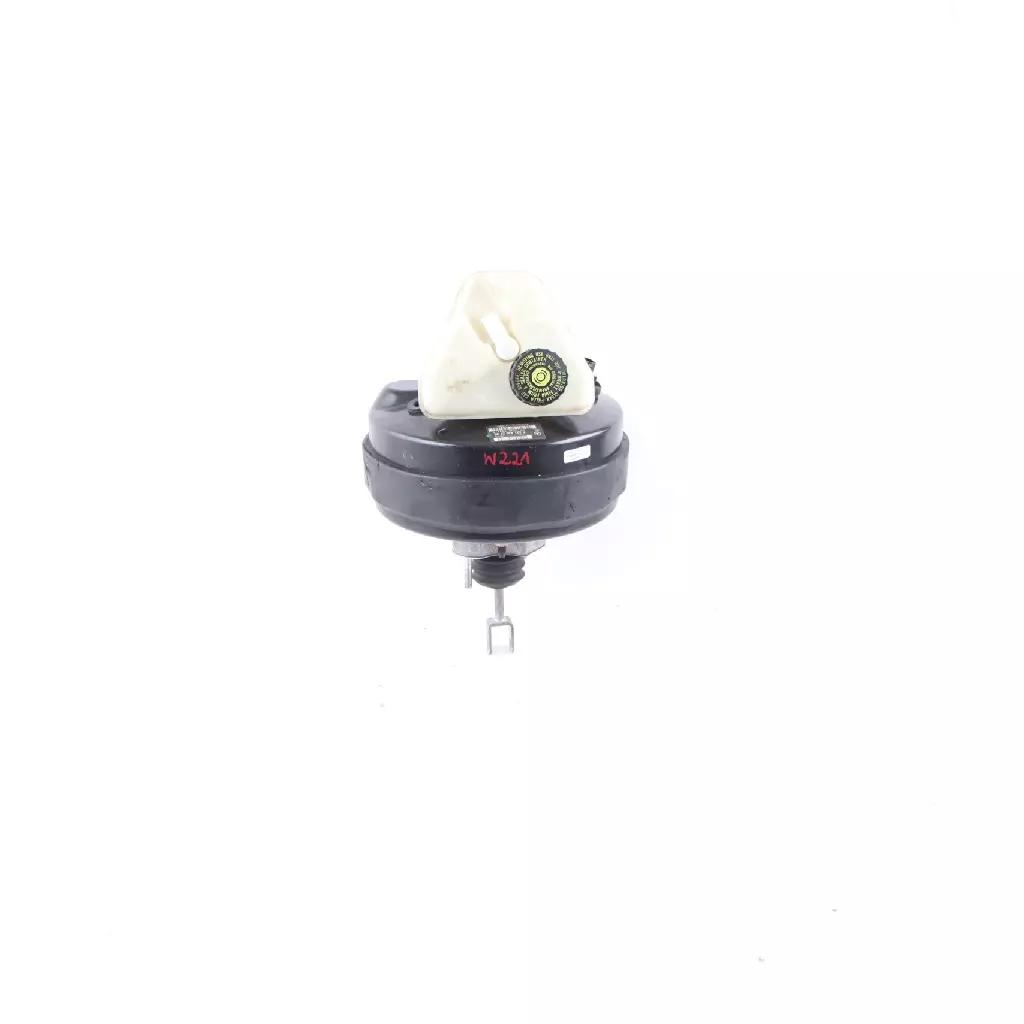
Brake boosters and force regulators for optimal pressure distribution
Optimal servos and braking force correctors
Brake boosters and brake force regulators are key components of the braking system that support its efficiency and improve driving safety. The brake booster increases braking force, reducing the effort required from the driver, while the brake force regulator optimizes the distribution of force to the vehicle's axles, preventing wheel lock-up. In the Global Parts automotive store, you will find a wide selection of used car parts, including brake boosters and brake force regulators, ideal for brands such as BMW, Audi, Mercedes, Volkswagen, Mini, and others.
Construction and purpose of brake boosters and brake force regulators – definition and operating principle
A brake booster (vacuum booster) is a component of the brake assist system that uses pressure differences—most commonly vacuum generated by the engine or a vacuum pump—to increase the pressure applied to the brake master cylinder. In practice, this means the driver can generate 3–5 times more braking force with the same pedal pressure. Standard boosters have a diameter of 7 to 11 inches, which directly affects the level of assistance. A brake force regulator is a rear-axle pressure regulator responsible for dynamically adjusting pressure in the rear circuit based on the vehicle's load. In vehicles without an electronic EBD system, it operates mechanically or hydraulically, limiting pressure to the rear wheels during sudden braking. This helps maintain driving stability and proper traction. In modern designs, such as in BMW 3 Series, Audi A4, or Volkswagen Passat models, the function of a classic regulator is often supported by an ABS/EBD system, although the regulator itself remains responsible for the base calibration of braking force distribution.
Characteristics of brake boosters and brake force regulators
Brake boosters and brake force regulators are components installed within the braking system, usually between the brake pedal and the master cylinder or in the hydraulic circuit of the rear axle. A booster typically consists of a housing, a diaphragm, a control valve, and a pushrod, while a regulator consists of a body, pressure channels, and a regulating element. These parts serve to reduce the force required on the pedal and to maintain the correct front-to-rear braking proportions.
What functions do brake boosters and brake force regulators perform?
Brake boosters and brake force regulators play essential roles in the braking system:
- Increasing braking force – The booster amplifies the pressure on the brake pedal, which facilitates effective braking.
- Optimizing braking force distribution – The brake force regulator prevents rear-axle wheel lock-up, especially in low-traction conditions.
- Improving driving comfort – Thanks to the smooth operation of the braking system, driving becomes more comfortable and safer.
Comparison of construction and application of components
| Component | Main function | Cooperating area | What to check before selection |
|---|---|---|---|
| Brake booster | Assisting pressure on the master cylinder | Brake pedal, master cylinder, vacuum line | Diameter, mounting type, pushrod length, compatibility with the master cylinder |
| Brake force regulator | Regulating pressure in the rear axle circuit | Brake lines, rear axle, suspension components | Line layout, adjustment method, body and load version |
| Set with master cylinder | Transmitting and amplifying force and generating pressure | Booster, master cylinder, fluid reservoir | OEM number, mounting spacing, circuit type, and equipment compatibility |
Technical parameters and compatibility with the braking system
In practice, the compatibility of a brake booster and brake force regulator with the vehicle depends on several technical parameters:
- booster diameter (e.g., 8", 9", 10"),
- type of mounting to the firewall,
- length of the pushrod interacting with the master cylinder,
- type of master cylinder (single- or dual-circuit),
- type of system (ABS / ABS + EBD / non-ABS).
Example operating parameters
| Component | Function | Typical parameters | Impact on safety |
|---|---|---|---|
| Brake booster | Assisting pressure force | Vacuum 0.6–0.9 bar, diameter 7–11" | Shortening braking distance by several meters at 100 km/h |
| Brake force regulator | Rear axle pressure regulation | Proportional pressure reduction as load increases | Driving stability and slip limitation |
Properly matching these components to the vehicle model directly affects braking efficiency, even wear of pads and discs, and optimal operation of the entire hydraulic system.
Selection by OEM number and system version
The selection of these parts should take into account the OEM part number, interchangeable numbers, body type, and vehicle equipment. The brake booster must match in diameter, mounting point, and pushrod length, while the regulator must match the routing of the lines and the adjustment method. For parts such as a BMW E46 brake booster, it is also worth comparing the master cylinder version and the presence of cooperating systems, such as brake master cylinders.
Why is it worth taking care of brake boosters and brake force regulators?
Malfunction of brake boosters and brake force regulators can lead to reduced braking efficiency and increased risk on the road. Typical symptoms of failure include:
- Hard brake pedal – May indicate a failure of the brake booster.
- Uneven braking – Problems with the brake force regulator can cause excessive braking on one axle.
- Noises during braking – A damaged booster or regulator can generate unusual sounds. If replacement is necessary, at Global Parts you will find suitable used car parts that will restore the full efficiency of the braking system.
Braking system operation procedure – step by step
- The driver presses the brake pedal.
- The booster uses vacuum to increase the pressure on the master cylinder.
- The master cylinder generates hydraulic pressure in the brake lines.
- The brake force regulator adjusts the pressure proportion between the front and rear axles.
- Calipers press the pads against the discs, generating friction and reducing vehicle speed. In a properly functioning system, the braking force distribution is on average about 60–70% front / 30–40% rear, which ensures stability and optimal use of tire grip.
Cooperating elements and typical inspection points
The vacuum port, booster hose, pedal pushrod, and brake hoses, lines, and connectors are elements that directly affect the proper operation of assistance and pressure regulation. The booster seal is a detail responsible for the tightness of the connection and maintaining the proper operating conditions of the vacuum system. If you are looking for a component such as a booster seal, check the seating diameter, the condition of the contact surface, and compatibility with the booster housing.
How to choose the right brake boosters and brake force regulators?
When choosing brake boosters and brake force regulators, pay attention to several key aspects:
- Compatibility with the vehicle model – Every braking system has its specific technical requirements. At Global Parts, you will find brake boosters and brake force regulators perfectly matched to BMW, Audi, Mercedes, Volkswagen, Mini, and others.
- Technical condition – Used parts should be free from leaks, mechanical damage, and defects in pneumatic systems.
- Compatibility with the braking system – Ensure that the selected components are consistent with the design and specification of your vehicle.
Matching, OEM, VIN, and integration with other components
The selection of a brake booster and brake force regulator should take into account structural compatibility with the master cylinder, brake lines, and the ABS system. In practice, matching is done based on the model, year, engine version, and the vehicle's VIN. These elements work directly with:
- the master cylinder,
- the brake fluid reservoir,
- the ABS/ESP module,
- brake calipers and wheel cylinders. Proper compatibility ensures not only safety but also savings in operating costs – the correct pressure distribution reduces uneven wear of friction elements and improves the durability of the entire system.
Practical selection of parts for specific car versions
When looking for parts for a specific model, for example, a BMW E46, it is good to verify the OEM number, booster diameter, line layout, and how it works with the ABS and ESP system. Such verification is especially important when the car was produced in several engine variants and with different braking equipment. Additionally, the guide How to extend the life of used car parts? may be helpful, as it provides tips on how to assess the condition and usage of components.
Why is it worth choosing used brake boosters and brake force regulators?
Used car parts, such as brake boosters and brake force regulators, are a practical solution that allows for savings while maintaining high quality. By choosing used braking system components, you gain:
- Lower costs – Used components are significantly cheaper than new ones but offer equally high quality.
- Ecology – Recycling parts supports environmental protection and reduces waste.
- Wide offer – In our store, you will find used brake boosters and brake force regulators for many car brands.
How to take care of brake boosters and brake force regulators?
To ensure brake boosters and brake force regulators work reliably for a long time, it is worth following a few rules:
- Regular inspections – Check the condition of braking system components during periodic technical inspections.
- Maintain the correct brake fluid level – Low fluid levels can lead to damage to the booster and other components.
- Respond to symptoms of failure – Noises, uneven braking, or problems with the brake pedal are signals that faulty parts should be replaced.
FAQ
| Question | Answer |
|---|---|
| What is the construction and purpose of brake boosters and brake force regulators? | Brake boosters and brake force regulators are braking system components installed at the master cylinder and in the pressure regulation circuit, respectively. A booster typically consists of a housing, diaphragm, valve, and pushrod, while a regulator consists of a body and a mechanism regulating pressure flow. Their task is to increase braking efficiency and maintain proper force distribution between the vehicle's axles. |
| What are brake boosters and brake force regulators used for? | Brake boosters and brake force regulators are used to improve braking force and stability under various driving and load conditions. The booster reduces the pressure required on the pedal, while the regulator limits excessive pressure on the rear axle. Without these components, the system may operate less precisely, and the driver will feel greater pedal resistance or poorer braking balance. |
| What role does the vacuum booster play in the braking system? | The vacuum booster is an assembly that works with the brake pedal and master cylinder, using pressure differences to increase the force transmitted to the hydraulic system. In addition to the diaphragm itself, it includes a control valve, working chambers, and a pushrod. Its efficiency affects not only the comfort of pedal pressure but also the rapid response of the entire system during braking. |
| How to choose a brake booster and brake force regulator for a car? | When choosing, it is worth comparing the OEM number, interchangeable numbers, mounting type, and the type of cooperating master cylinder. The body version, engine, and presence of ABS or EBD also matter. In practice, it is safest to confirm compatibility by VIN and compare the part with the old component. |
| What symptoms indicate a problem with the brake booster or brake force regulator? | Typical symptoms include a hard brake pedal, delayed system response, uneven braking, and a change in car behavior during heavy deceleration. In some cases, there is also a hissing of air or a noticeable leak in the vacuum system. A regulator may show symptoms in the form of too strong or too weak rear-axle braking. |
| What cooperating elements should be paid attention to during installation? | During installation, check the condition of the vacuum line, the tightness of connections, the setting of the pushrod, and compatibility with the master cylinder. It is also worth assessing the condition of the brake fluid and the patency of the lines leading to other system components. If the car uses advanced braking electronics, correct cooperation with the control module is also important. |
Summary: brake boosters and brake force regulators at the Global Parts automotive store
Brake boosters and brake force regulators are essential braking system components that increase braking efficiency and precision. The Global Parts offer includes used components matched to many versions of cars from brands such as BMW, Mercedes, Mini, and others, taking into account data such as brand, condition, OEM part number, and interchangeable numbers. We invite you to contact us – we are here to help! For more information and interesting facts, we also invite you to visit our automotive blog.