


Engine Sensors & Switches
More informationAt Global Parts automotive store we offer a wide selection of original used car parts including engine sensors and switches for many popular car brands such as BMW, Mini, Mercedes, Audi, Volkswagen and others. The engine sensors and switches we offer undergo quality control so that you can be sure that you are receiving a top-class product.
Make
Category
Subcategory
Timing Components & Kits
Condition
In Stock
Price
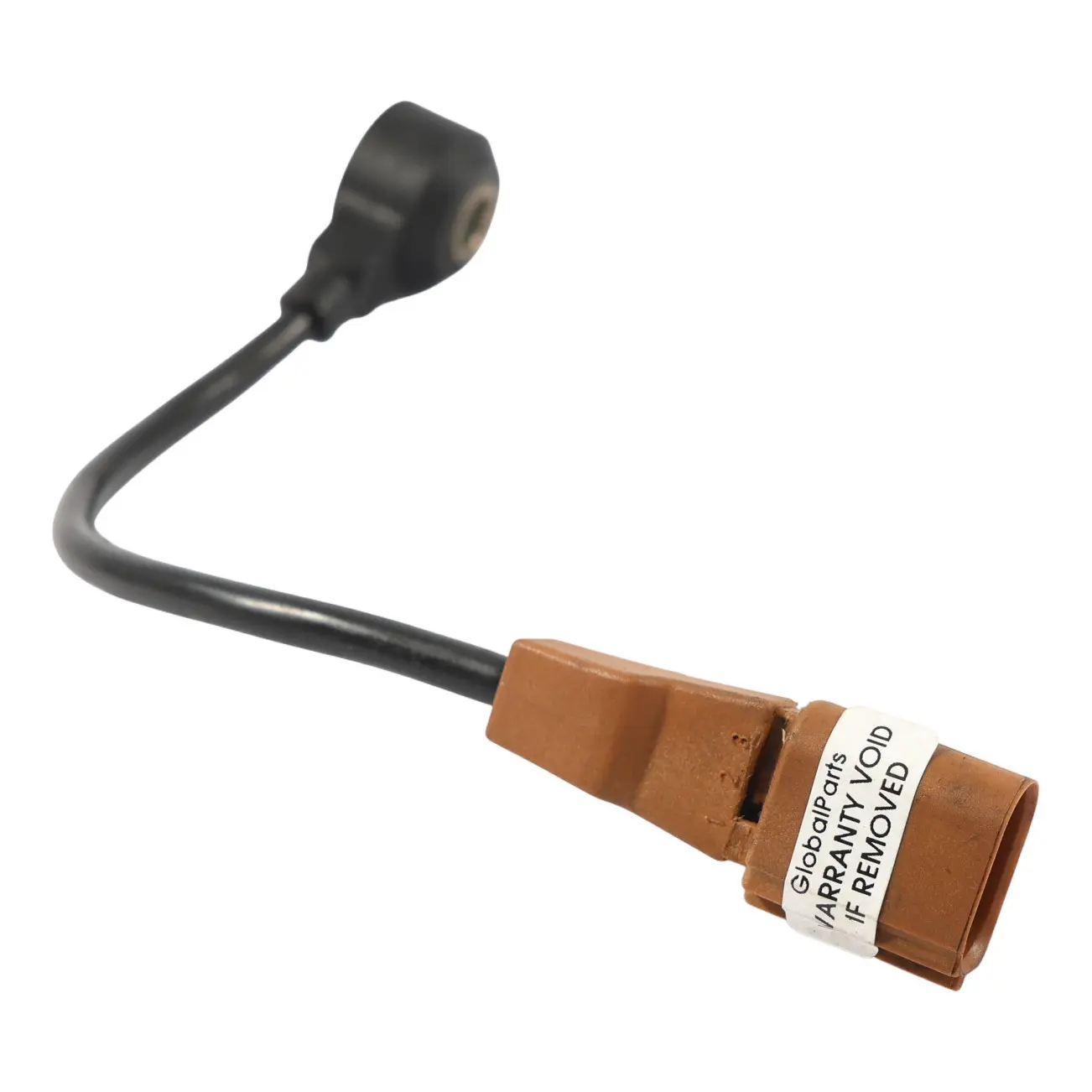
Part no. 06A905377C
VW Golf Gti 1j Jetta Skoda Fabia 6Y Knock Sensor 1.8T Petrol 6A905377C
€23.95
Free delivery: Jul 6 – 9
If paid before 14:00
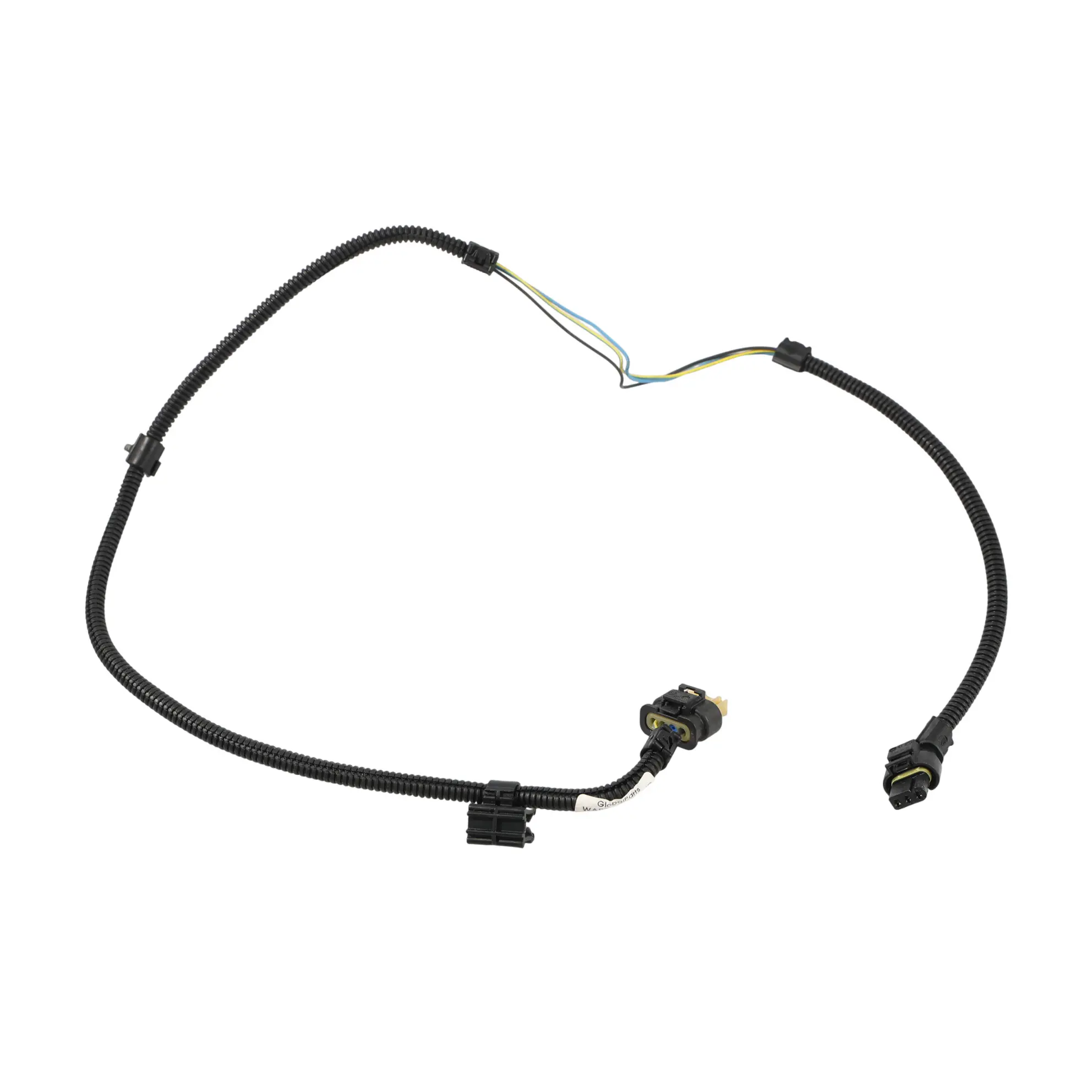
Part no. 9805940-1
9805940
€23.95
Free delivery: Jul 6 – 9
If paid before 14:00
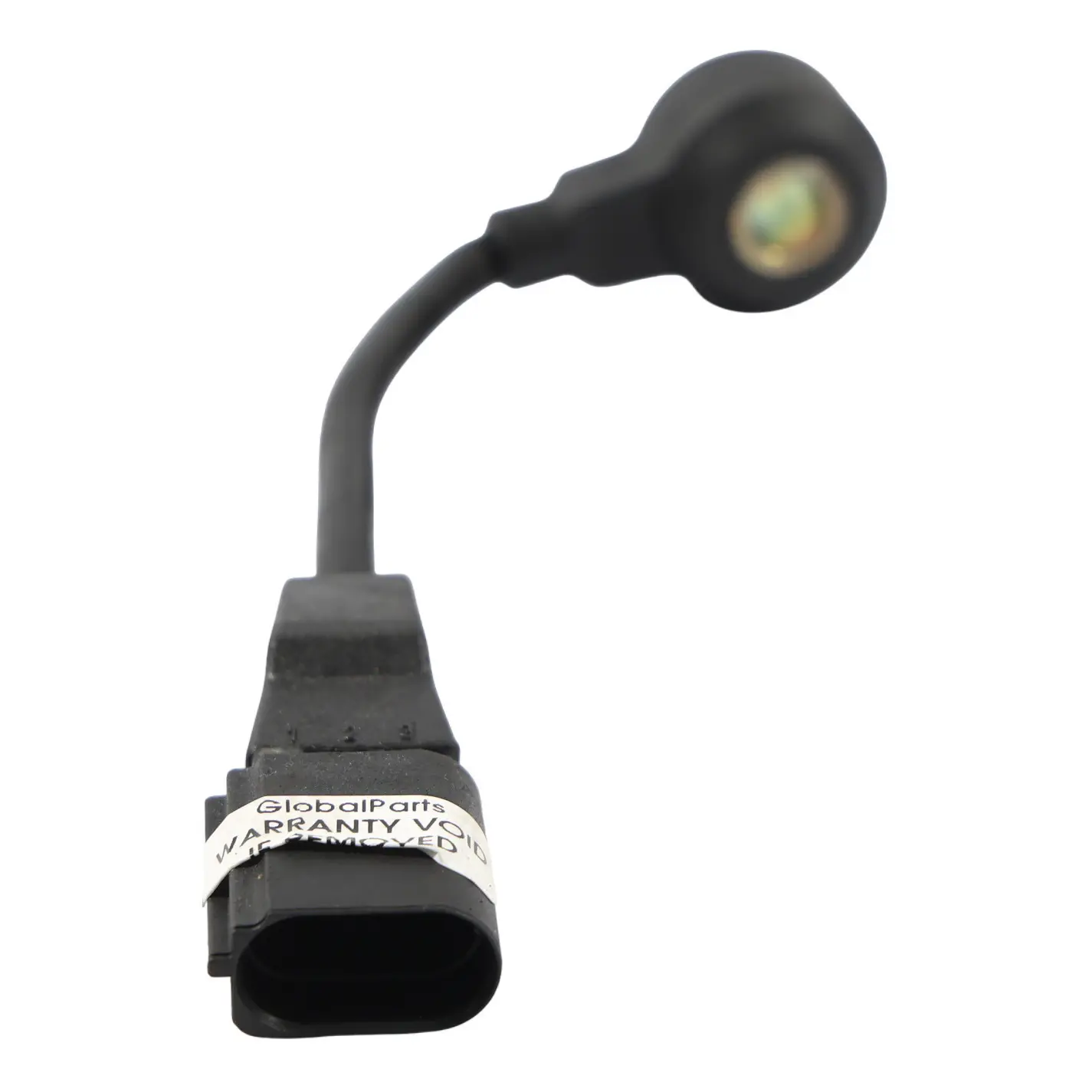
Part no. 06A905377B
VW Volkswagen Golf Gti 1j Jetta 1J Engine Knock Sensor 1.8T Petrol 06A905377B
€23.95
Free delivery: Jul 6 – 9
If paid before 14:00
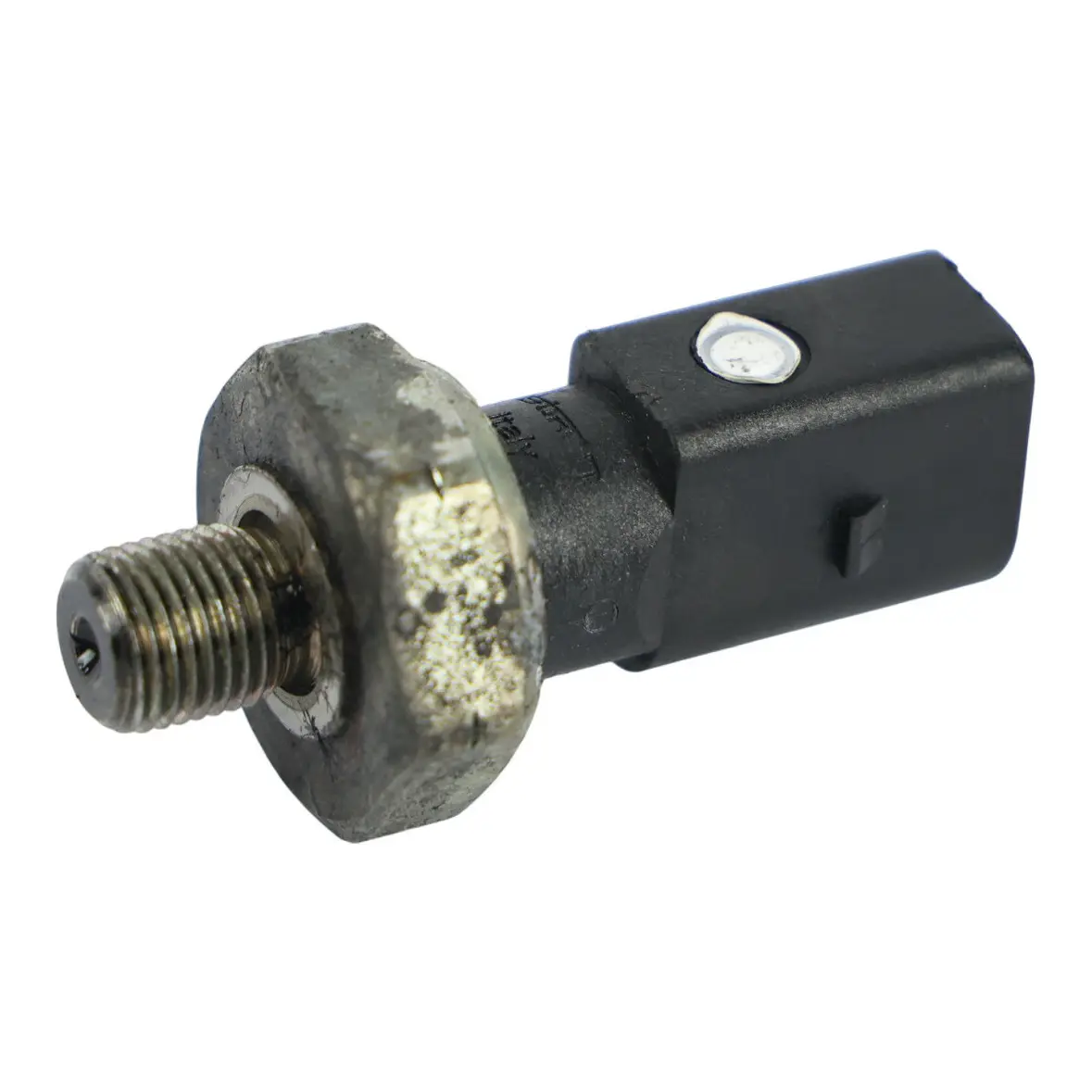
Part no. 06L919081C
Volkswagen Crafter SY Mk2 Engine Oil Pressure Sensor 2.0 TDI 06L919081C
€23.95
Free delivery: Jul 6 – 9
If paid before 14:00
-5%
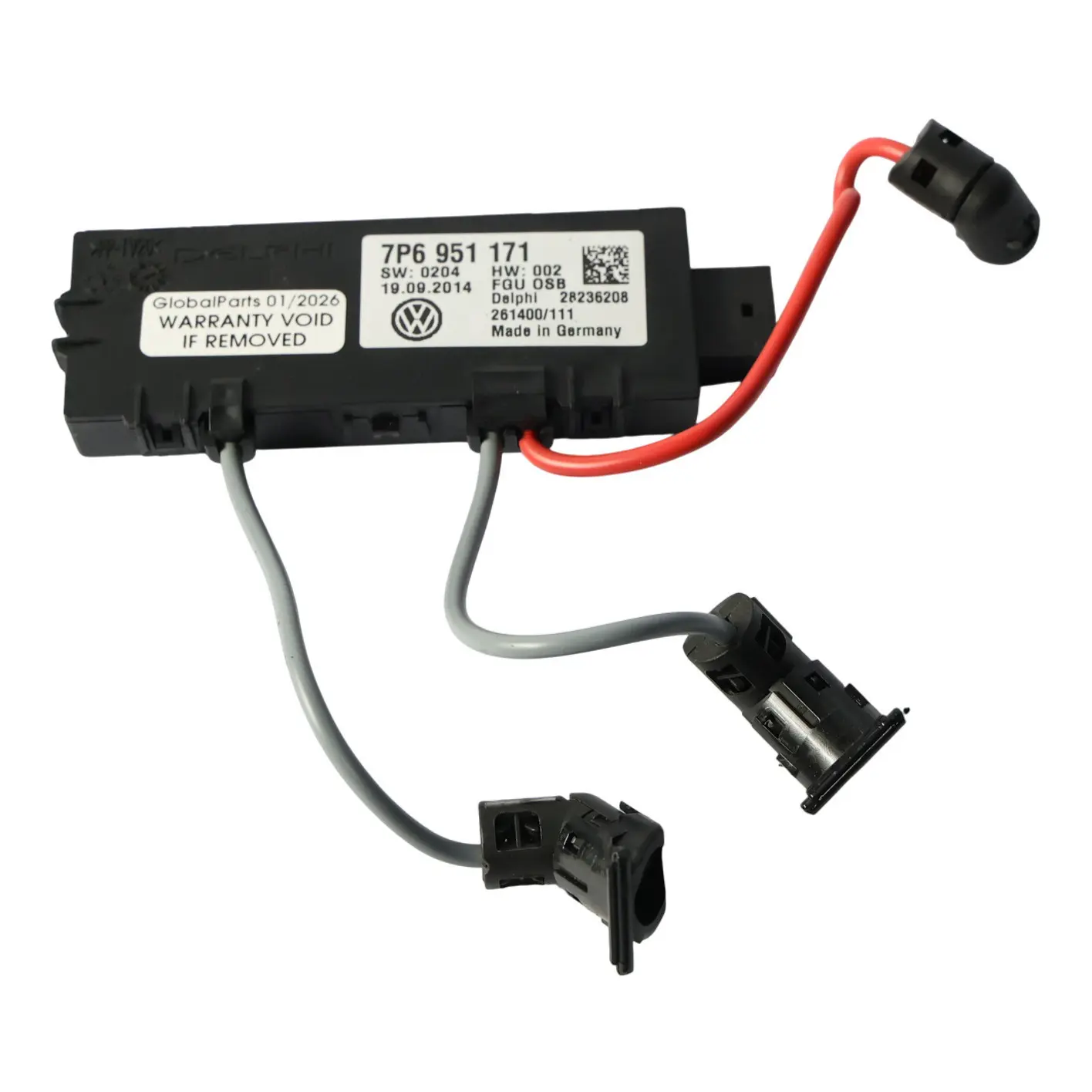
Part no. 7P6951171
VW Volkswagen Touareg 7P Interior Light Ultrasound Sensor Control Unit 7P6951171
Promo price
€23.95
€22.75
Free delivery: Jul 6 – 9
If paid before 14:00
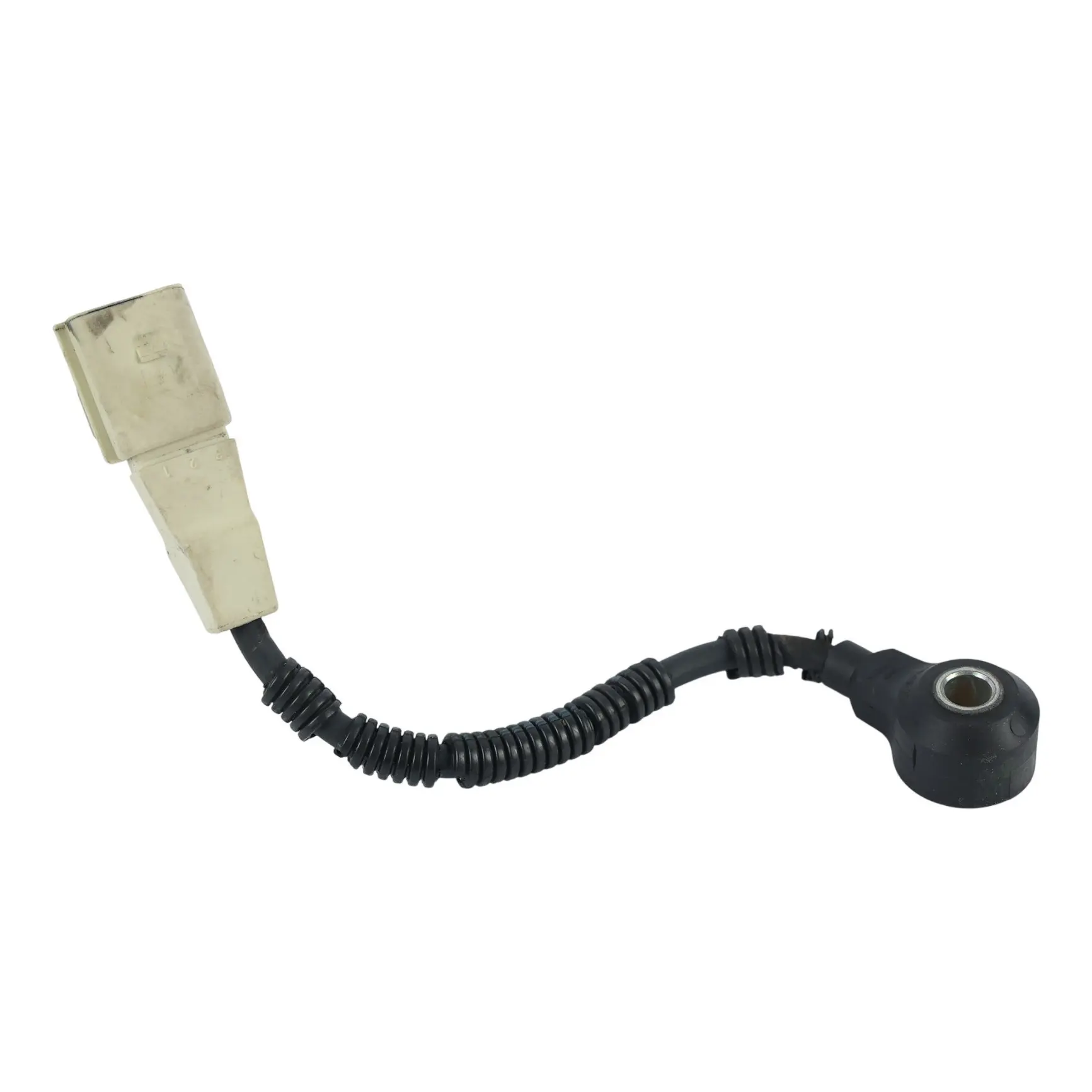
Part no. 021905377E
VW Volkswagen Eos 1F Golf 1K Knock Sensor Harness Wire 2.0 FSI Petrol 021905377E
€23.95
Free delivery: Jul 6 – 9
If paid before 14:00
-5%
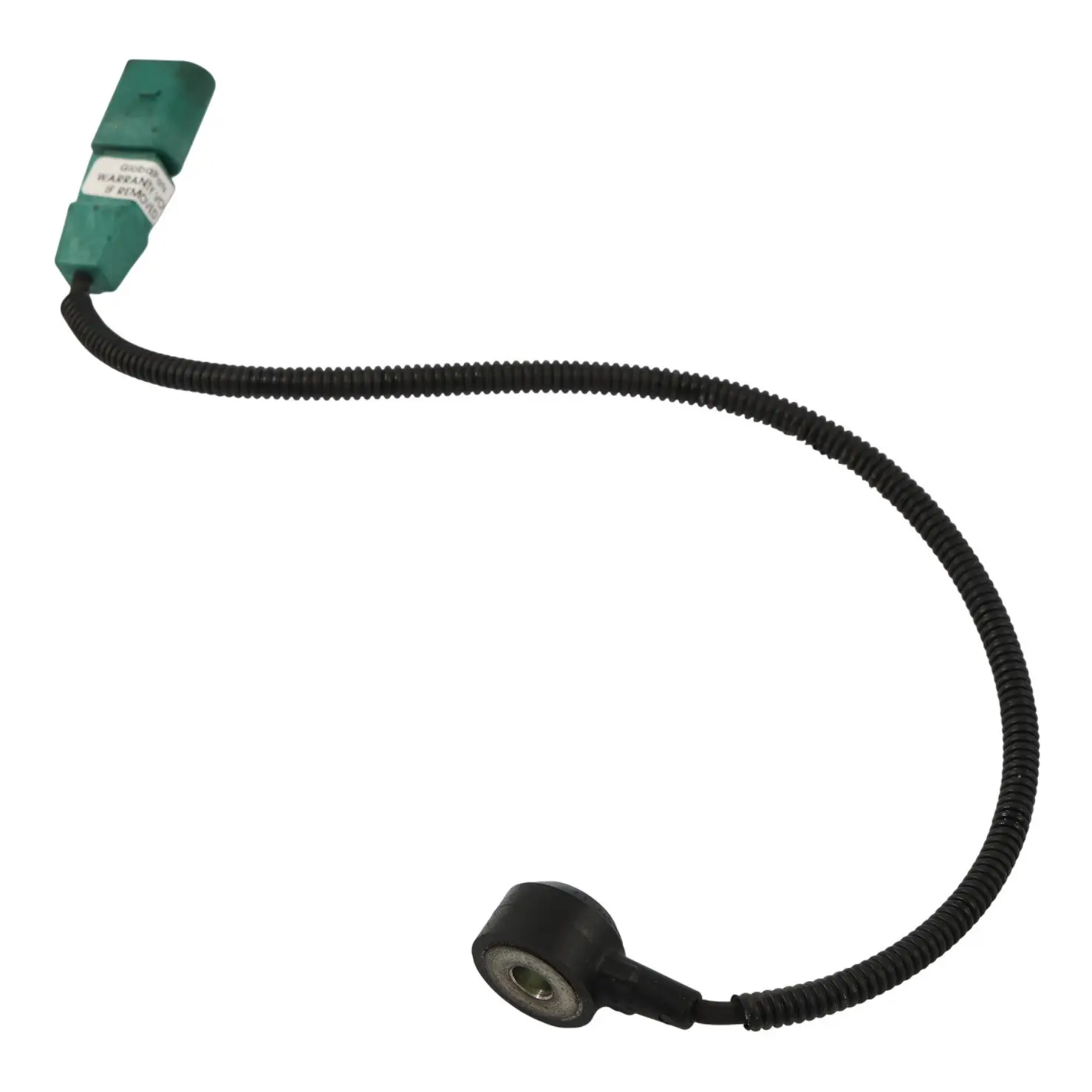
Part no. 06E905376A
VW Volkswagen Golf 1K 2.0 TFSI BWA Engine Knock Sensor 06E905376A
Promo price
€23.95
€22.75
Free delivery: Jul 6 – 9
If paid before 14:00
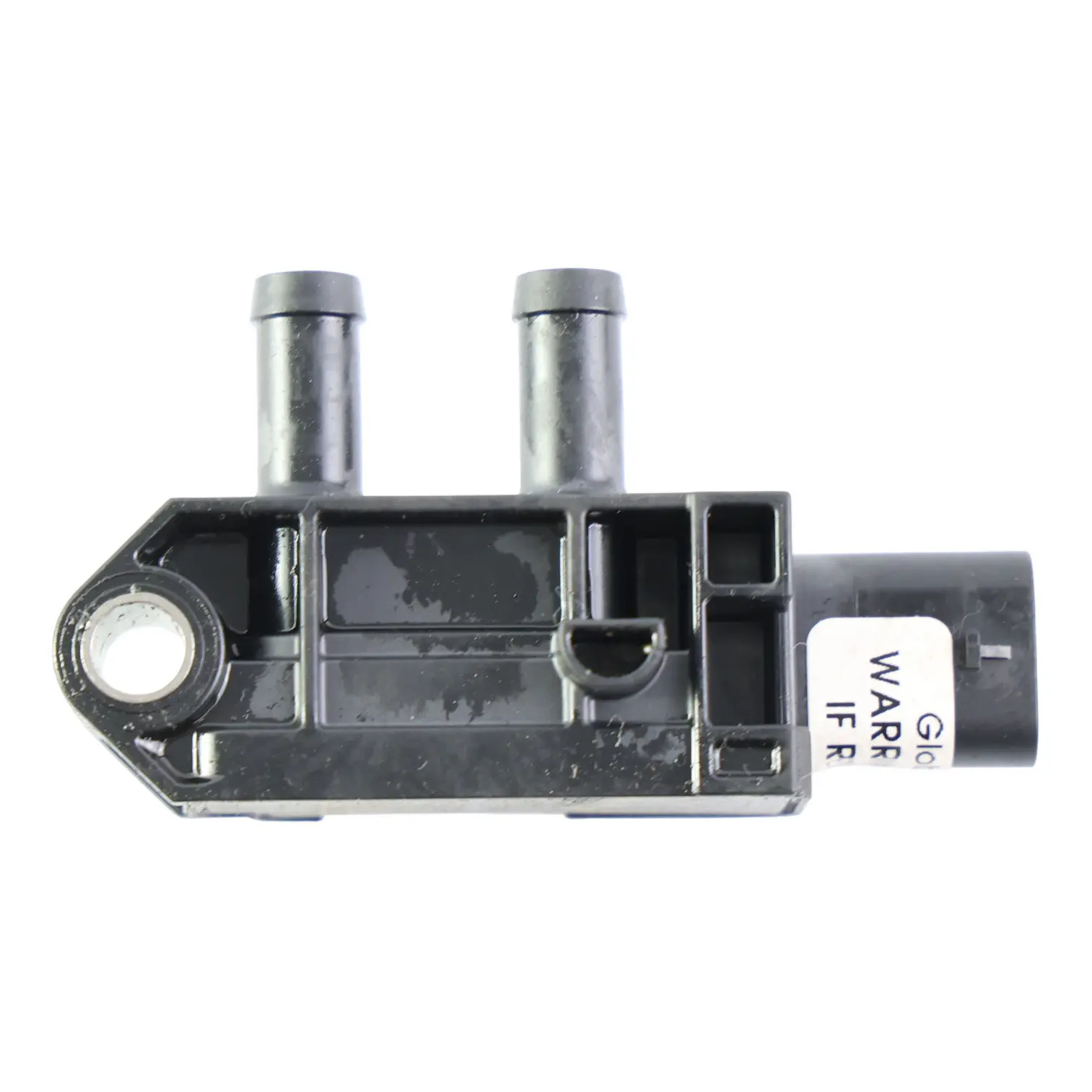
Part no. 04L906051R
Volkswagen Crafter SY Transporter T6 DPF Pressure Sensor 2.0 TDI 04L906051R
€23.95
Free delivery: Jul 6 – 9
If paid before 14:00
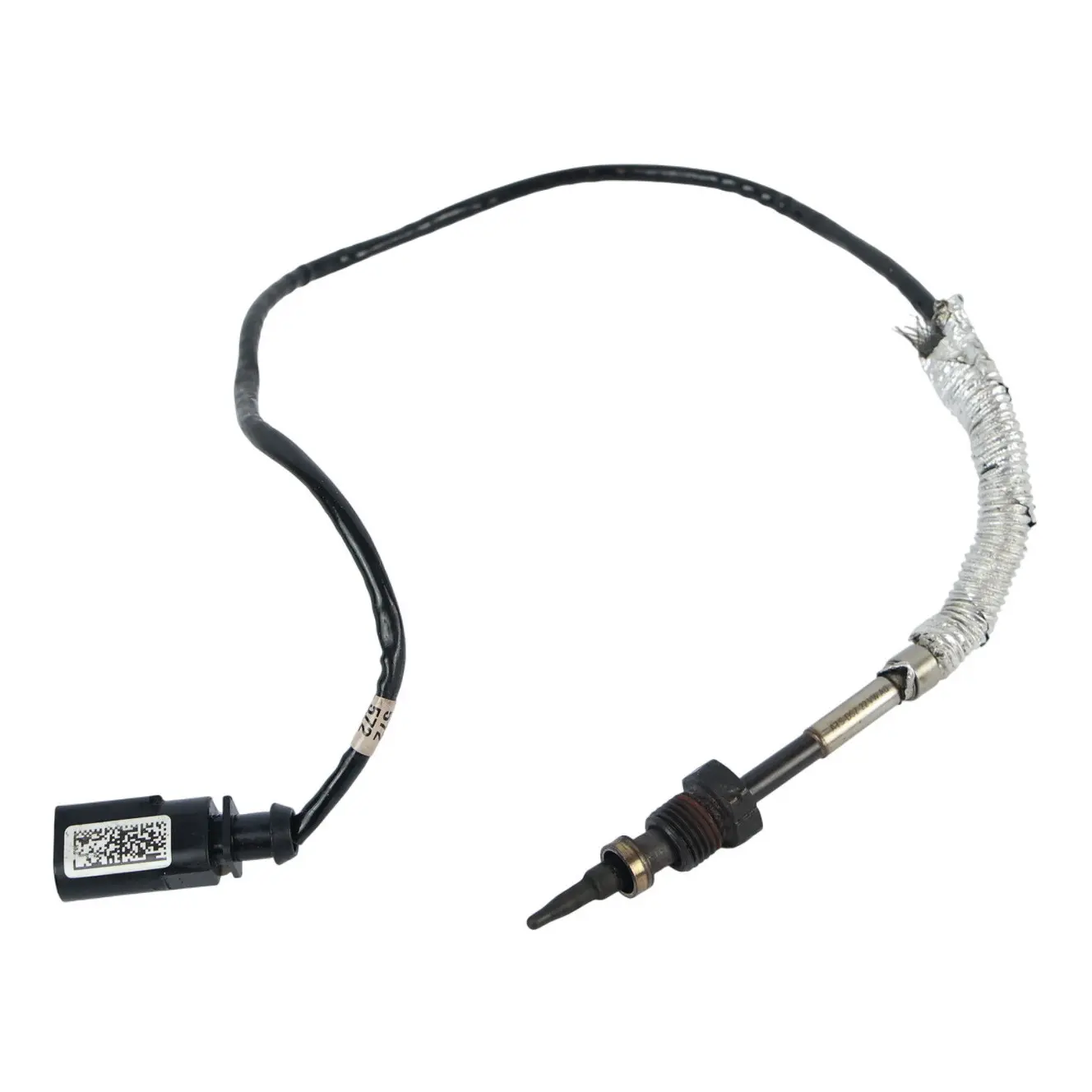
Part no. 05L906088AM
Volkswagen Golf Cd1 Tiguan AD Exhaust EGR Temperature Sensor 2.0 TDI 05L906088AM
€23.95
Free delivery: Jul 6 – 9
If paid before 14:00
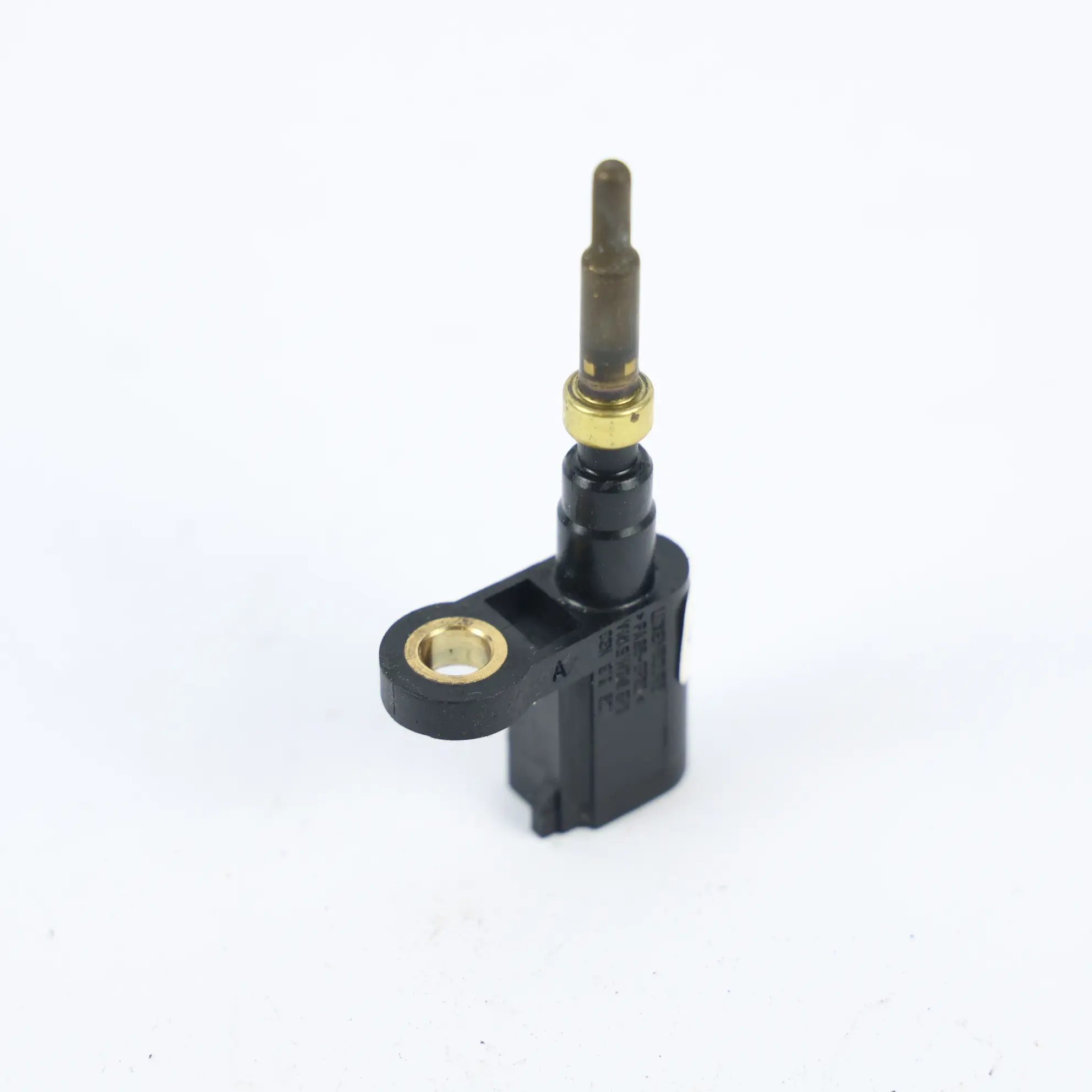
Part no. 03N919501
VW Volkswagen Golf Cd1 Passat 3G Coolant Temperature Sender Sensor 03N919501
€23.95
Free delivery: Jul 6 – 9
If paid before 14:00
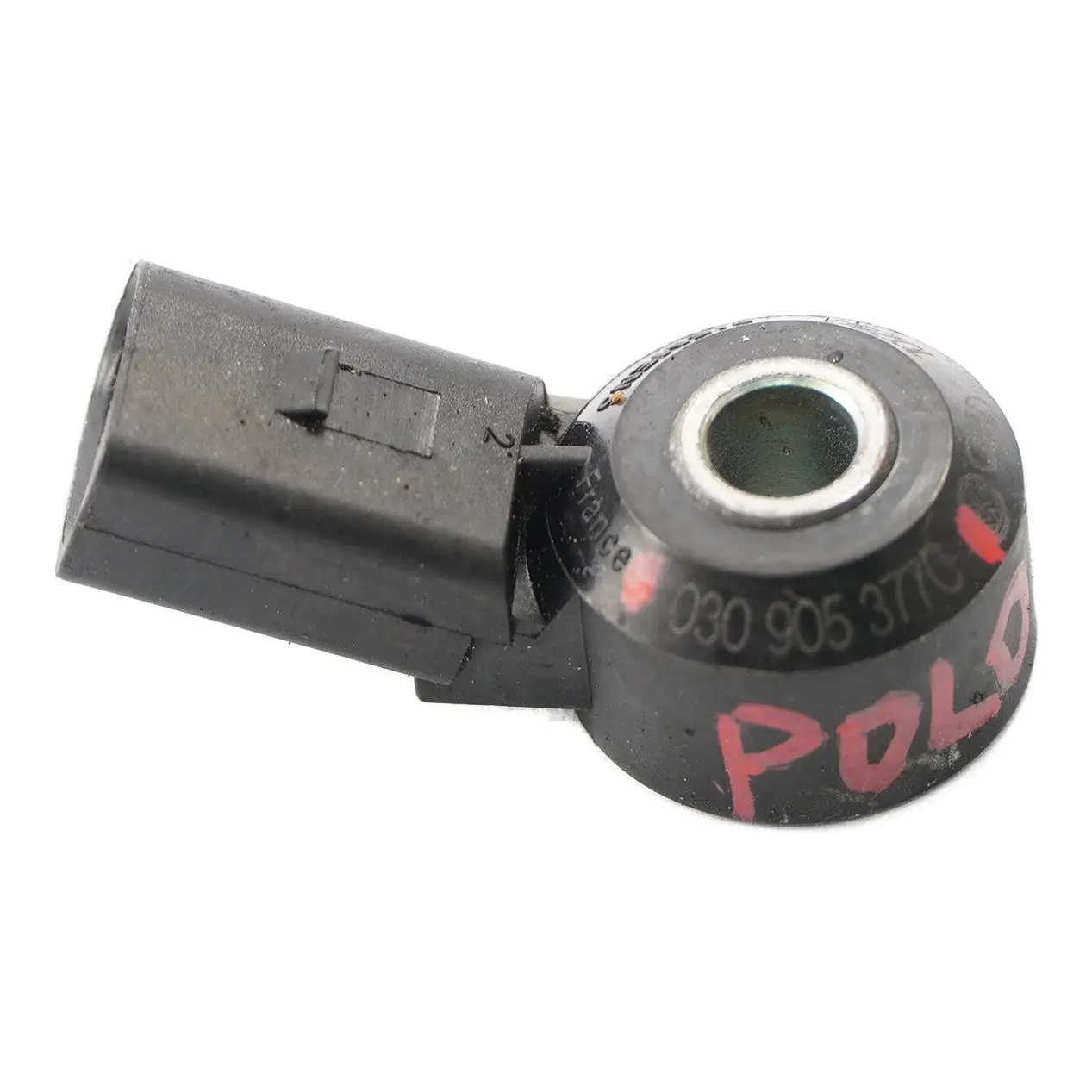
-5%
Part no. 030905377C
VW Audi Seat Skoda Knock Sensor Combustion Detonation Sensor 030905377C
Promo price
€23.95
€22.75
Free delivery: Jul 6 – 9
If paid before 14:00
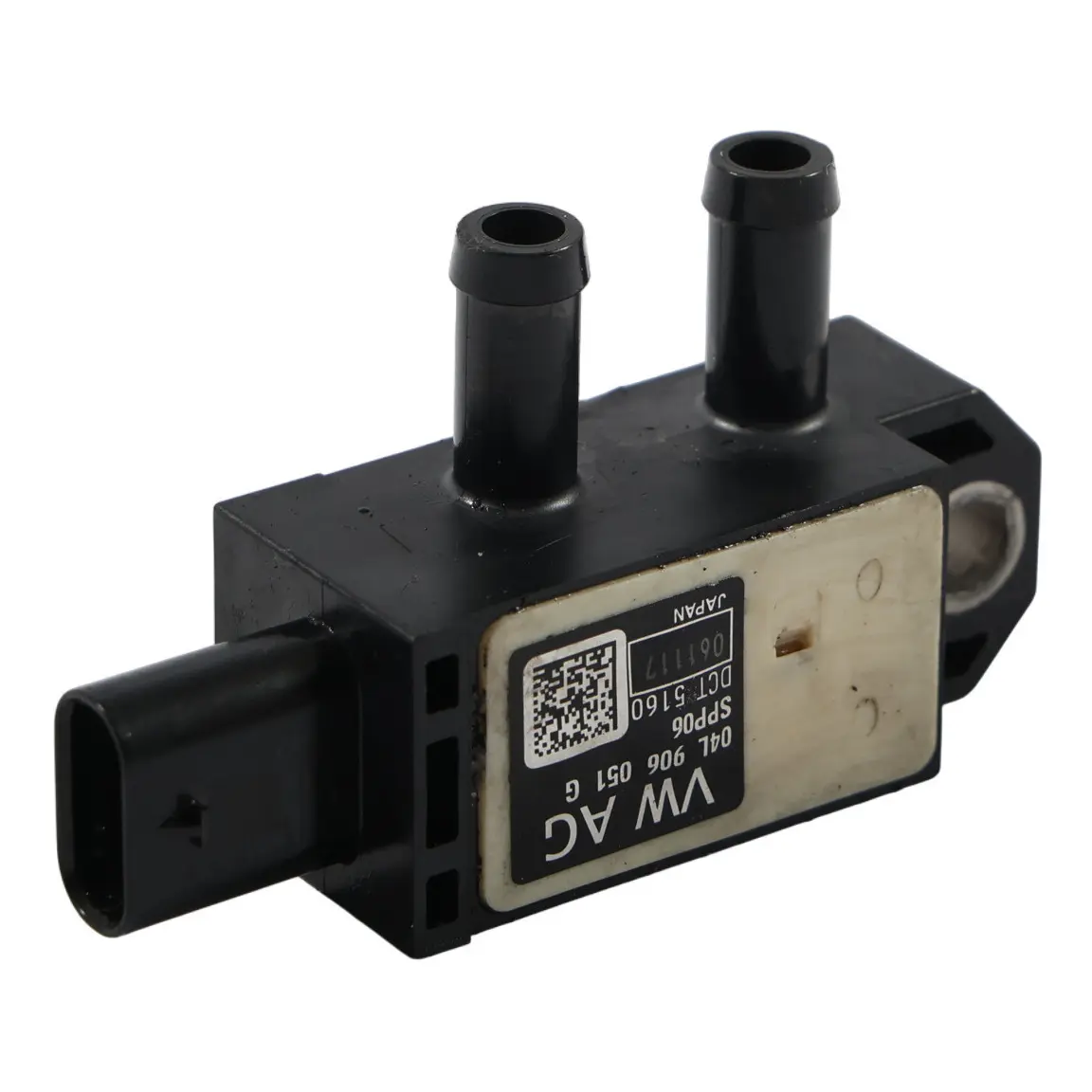
Part no. 04L906051G
Volkswagen Passat B8 DPF Exhaust Pressure Sensor 2.0 TDI Diesel 04L906051G
Product currently unavailable
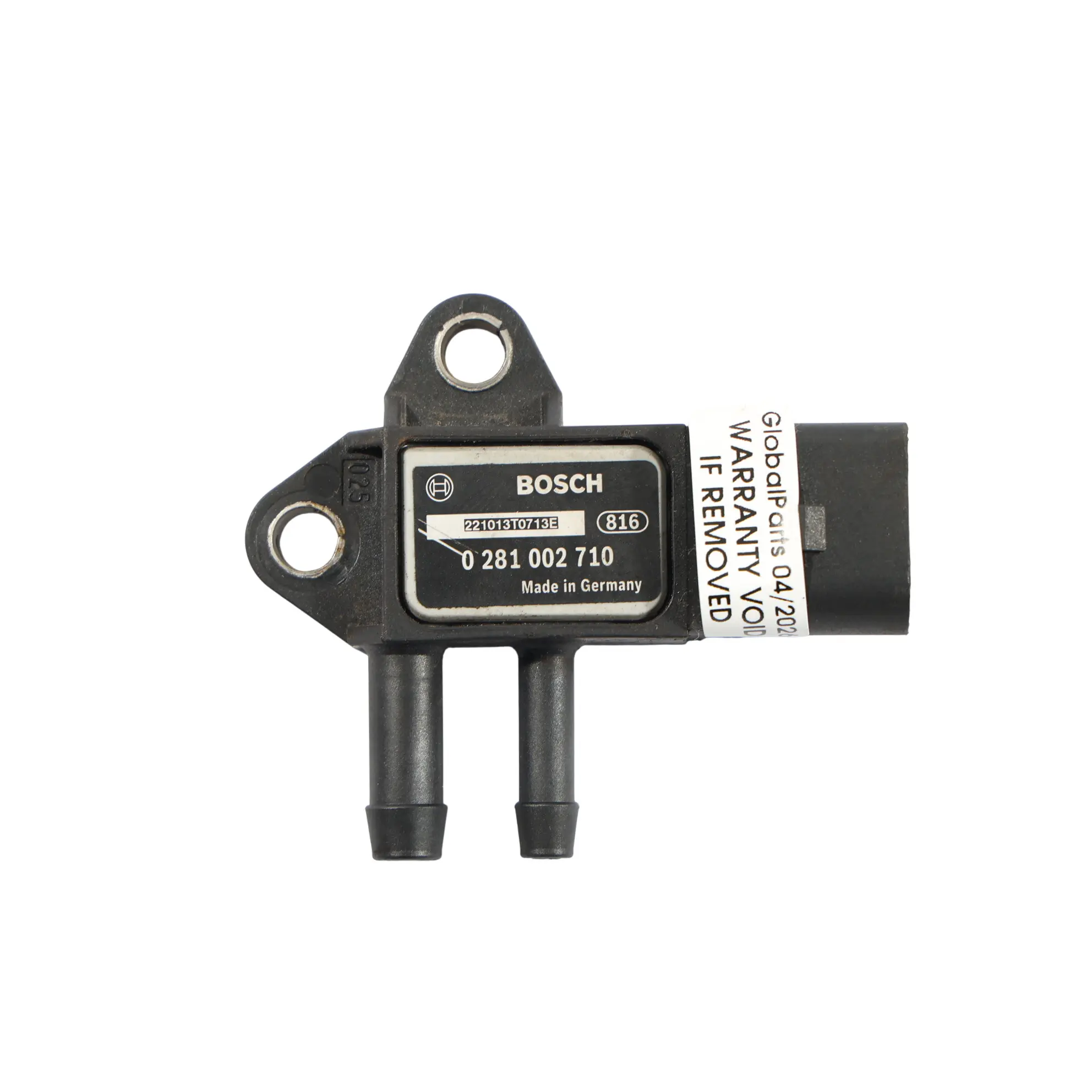
Part no. 0281002710
VW Passat B8 T-Roc Phaeton 3D DPF Exhaust Pressure Sensor Bosch 0281002710
Product currently unavailable
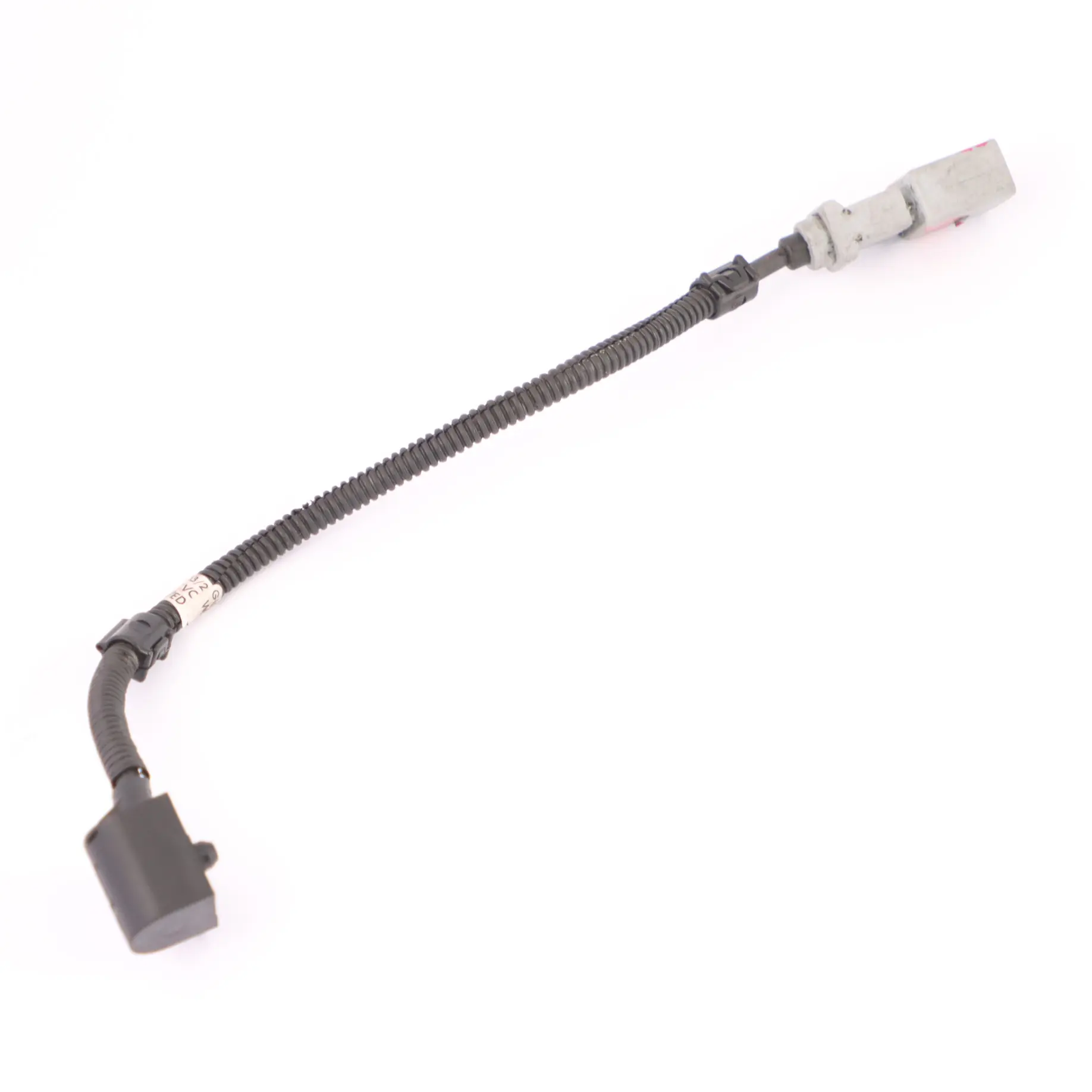
Part no. 9805940
Crankshaft Position Sensor Volkswagen VW Passat B6 1.9 TDI Engine Block 9805940
Product currently unavailable
Engine sensors and switches for accurate diagnostics and control
Engine sensors and switches for diagnostics and parameter control
Engine sensors and switches are key components of the engine control system that monitor its operation and transmit data to the vehicle's control systems. Thanks to them, the engine operates at maximum efficiency, and the driver receives information about potential issues. In the Global Parts automotive store, you will find a wide selection of used car parts, including engine sensors and switches, ideal for brands such as BMW, Audi, Mercedes, Volkswagen, Mini, and others.
What functions do engine sensors and switches perform?
Engine sensors and switches play a crucial role in ensuring the precision and reliability of the powertrain:
- Monitoring engine parameters – Sensors record data such as temperature, oil pressure, fuel level, or crankshaft position.
- Transmitting information to the Engine Control Unit (ECU) – Data from sensors allows the engine management system to optimize its performance.
- Diagnosing potential problems – Information from sensors enables a quick response to failures and minimizes the risk of more serious damage.
- Controlling various vehicle systems – Switches activate functions such as ventilation, heating, or mirror defrosting.
Construction and purpose of engine sensors and switches
Engine sensors and switches are electrical and electromechanical components mounted in the engine bay, on auxiliary equipment, or inside the vehicle. Their task is to read engine operating parameters or to open and close a circuit responsible for a specific function. A typical component consists of a housing, an electrical connector, contacts or a measuring element, and a mounting point adapted to the specific location in the car.
What elements are included in engine sensors and switches?
Our offer includes the following elements:
- Engine temperature sensors – Monitor coolant temperature and warn against overheating.
- Oil pressure sensors – Record oil pressure in the lubrication system, preventing serious engine damage.
- Crankshaft and camshaft position sensors – Ensure precise synchronization of piston and valve operation.
- Fluid level sensors – Inform about low oil, fuel, or coolant levels.
- Control switches – Responsible for activating functions such as mirror heating, air conditioning, or ventilation.
Comparison of engine sensor and switch types
| Component type | Main function | Location | What to check before purchase |
|---|---|---|---|
| Position sensor | Reading crankshaft or camshaft position and sending a signal to the ECU | Near the signal wheel, engine block, or timing cover | OEM number, connector type, number of pins, cable length, vehicle placement |
| Pressure or differential pressure sensor | Monitoring lubrication or exhaust system parameters | On hoses, filter housings, or near engine accessories | OEM part number, nozzle type, fuel type compatibility, engine version |
| Temperature or level sensor | Measuring coolant temperature, oil temperature, or fluid level | In the cooling system, oil pan, or reservoirs | Application range, housing shape, mounting method, interchangeable numbers |
| Control switch | Switching a specific electrical function on or off | Dashboard, control panel, engine bay accessories | Contact layout, plug type, mounting location, vehicle equipment compatibility |
Why is it worth taking care of engine sensors and switches?
Damage or malfunction of engine sensors and switches can lead to improper engine operation and problems with other vehicle systems. Typical symptoms of failure include:
- Dashboard errors – Faulty sensors can activate warning lights, such as "check engine" or low oil level warnings.
- Rough engine operation – Sensor issues can disrupt the optimal performance of the powertrain.
- Difficulty starting the vehicle – Faulty crankshaft position sensors can prevent the engine from starting.
- Lack of control functions – Damaged switches can limit the operation of systems such as air conditioning or window heating. At Global Parts, we offer used engine sensors and switches that have undergone detailed quality tests, ensuring their durability and reliability.
Fault symptoms and associated components
A sensor is used to convert physical parameters, such as temperature, pressure, or position, into a signal read by the controller. When the reading is incorrect, the ECU may incorrectly dose fuel, change ignition timing, or trigger limp mode. In practice, it is also worth checking associated oil filters, system tightness, and the condition of the electrical wiring, as the symptom does not always mean the sensor itself is faulty.
How to choose the right engine sensors and switches?
When choosing engine sensors and switches, pay attention to several key aspects:
- Compatibility with the vehicle model – Each control system has its specific requirements. In the Global Parts automotive store, you will find sensors and switches perfectly matched to BMW, Audi, Mercedes, Volkswagen, Mini, and others.
- Technical condition – Used sensors and switches should be fully functional, free from mechanical and electrical damage.
- Type and function – Choose sensors and switches appropriate for your vehicle's specific needs, such as monitoring temperature, pressure, or fluid levels.
Selection by OEM number, connector, and mounting location
The OEM number is the manufacturer's designation that allows you to compare part compatibility with a specific engine version and vehicle equipment. When selecting, it is also worth checking interchangeable numbers, fuel type, number of pins, plug type, and exact placement on the vehicle. If you are looking for a component such as a Passat B6 crankshaft position sensor, it is crucial to compare the housing shape, cable length, and compatibility with the accessory version or timing chains, belts, and mounting kits.
Why choose used engine sensors and switches?
Used car parts, such as engine sensors and switches, are a practical solution that allows for savings while maintaining high quality. By choosing used sensors and switches, you gain:
- Lower costs – Used components are significantly cheaper than new ones but offer equally high quality.
- Ecology – Recycling car parts supports environmental protection and reduces waste.
- Wide selection – In our store, you will find sensors and switches for the most popular car brands.
Practical examples of matching to engine versions
When choosing an element such as an Audi A4 B8 differential pressure sensor, you should compare the nozzle layout, plug type, and compatibility with the specific powertrain's accessories. The catalog designation also matters, so for parts such as 06f 906 283 f, it is worth checking the OEM number, interchangeable numbers, and connection to the petrol or diesel engine version. For more extensive repairs, it is also helpful to compare these elements with gaskets and mounting parts and other components from the Engines and parts department.
How to take care of engine sensors and switches?
To ensure engine sensors and switches work reliably for a long time, it is worth following a few rules:
- Regularly check the condition of sensors during technical inspections to avoid operational problems.
- Keep electrical connectors clean to prevent corrosion and signal conduction issues.
- Replace faulty components on time to prevent more serious engine or vehicle system problems.
- If a replacement is needed, at Global Parts you will find suitable used car parts that will restore your vehicle's full functionality.
Checking the electrical installation and operating conditions
A switch is a control element that changes the state of a circuit and activates a selected function in the car. Its durability depends not only on the mechanism itself but also on the condition of the plug, pins, moisture at the mounting location, and correct voltage in the installation. During seasonal maintenance, it is worth checking our guide: Winter essentials: which used car parts are worth checking and replacing before the frost?, as low temperatures often reveal problems with contacts and sensor signals.
FAQ
| Question | Answer |
|---|---|
| What is the construction and purpose of engine sensors and switches? | Engine sensors and switches are electrical and electromechanical components mounted in vehicle control systems. A typical sensor consists of a housing, connector, measuring element, and mounting point, while a switch consists of a body, contacts, and an actuating part. These components are located in the engine bay, near accessories, or in control panels and are responsible for transmitting signals needed for the car's operation. |
| What are engine sensors and switches used for? | Engine sensors and switches are used to read powertrain operating parameters and control selected electrical functions. Thanks to them, the controller receives information about temperature, pressure, position, or fluid levels, and the driver can activate specific systems. Their proper operation affects starting, engine refinement, fuel consumption, and diagnostic messages. |
| What is the construction and function of the ECU in cooperation with sensors? | The Engine Control Unit (ECU) is an electronic module that manages powertrain operation based on signals from many sensors. It reads input data, processes it according to stored maps, and sends commands to the injection, ignition, or other actuators. In cooperation with sensors, it is responsible not only for performance but also for error diagnostics, response to parameter deviations, and selection of appropriate engine operating strategies. |
| How to choose engine sensors and switches for a specific car? | It is safest to compare the OEM part number, interchangeable numbers, fuel type, and vehicle placement. The type of plug, number of pins, and equipment version also matter, as similar-looking elements may differ in signal or mounting method. In case of doubt, it is worth checking compatibility via VIN. |
| What symptoms indicate faulty engine sensors and switches? | Most often, warning lights appear, along with starting problems, rough engine operation, or no response from a function controlled by a switch. In some cases, the vehicle may enter limp mode, show incorrect temperature or pressure readings, or lose signal after the engine warms up. Symptoms should always be compared with installation and connector diagnostics. |
| How to take care of engine sensors and switches after installation? | After installation, it is worth regularly checking the tightness of the mounting point, the cleanliness of the plugs, and the condition of the wires. Do not allow connectors to get flooded, insulation to be damaged, or excessive stress on the wiring harness. During subsequent inspections, it is good to verify that the part is working stably and that no errors are recorded in the controller. |
Summary: engine sensors and switches at the Global Parts automotive store
Engine sensors and switches are key elements controlling the operation of the powertrain and other vehicle systems. By taking care of their technical condition, you can avoid costly repairs and improve the efficiency and reliability of your car. In the Global Parts offer, you will find used parts matched to many models from brands such as Audi, Mercedes, BMW, and others, taking into account data such as condition, OEM part number, interchangeable numbers, fuel type, and vehicle placement. Feel free to contact us – we are here to help! For more information and interesting facts, we also invite you to visit our automotive blog.