


Solenoids
More informationAt the Global Parts automotive store, we offer a wide selection of original used car parts, including solenoid valves for many popular car brands such as BMW, Mini, Mercedes, Audi, Volkswagen and others. The solenoid valves we offer undergo quality control so that you can be sure that you are receiving a top-class product.
Make
Category
Subcategory
Condition
In Stock
Price
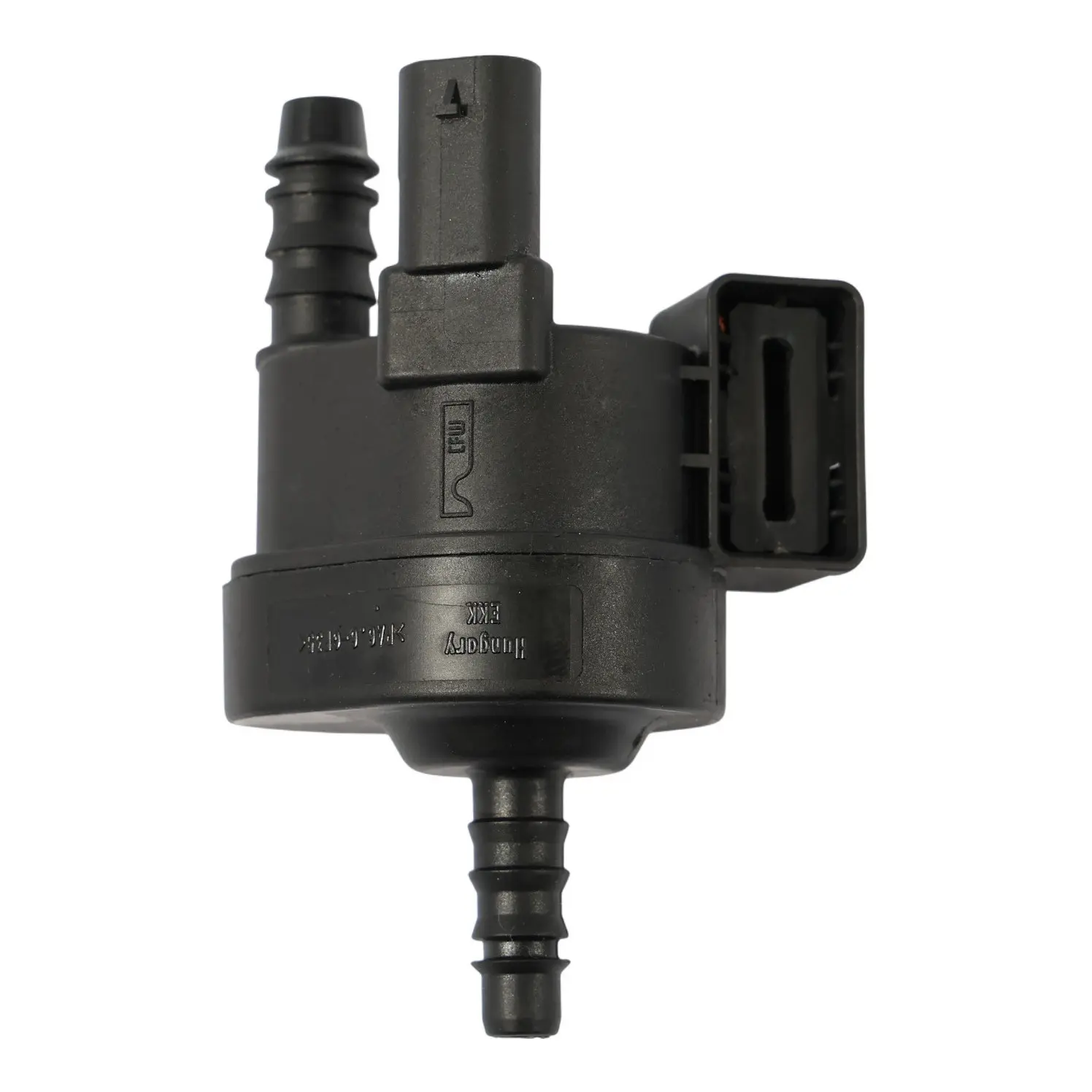
-15%
Part no. 06H906517T
VW Volkswagen Golf 5G 2.0 TFSI CHHA Vacuum Solenoid Valve 06H906517T
Promo price
€28.95
€24.61
Free delivery: Jul 6 – 9
If paid before 14:00
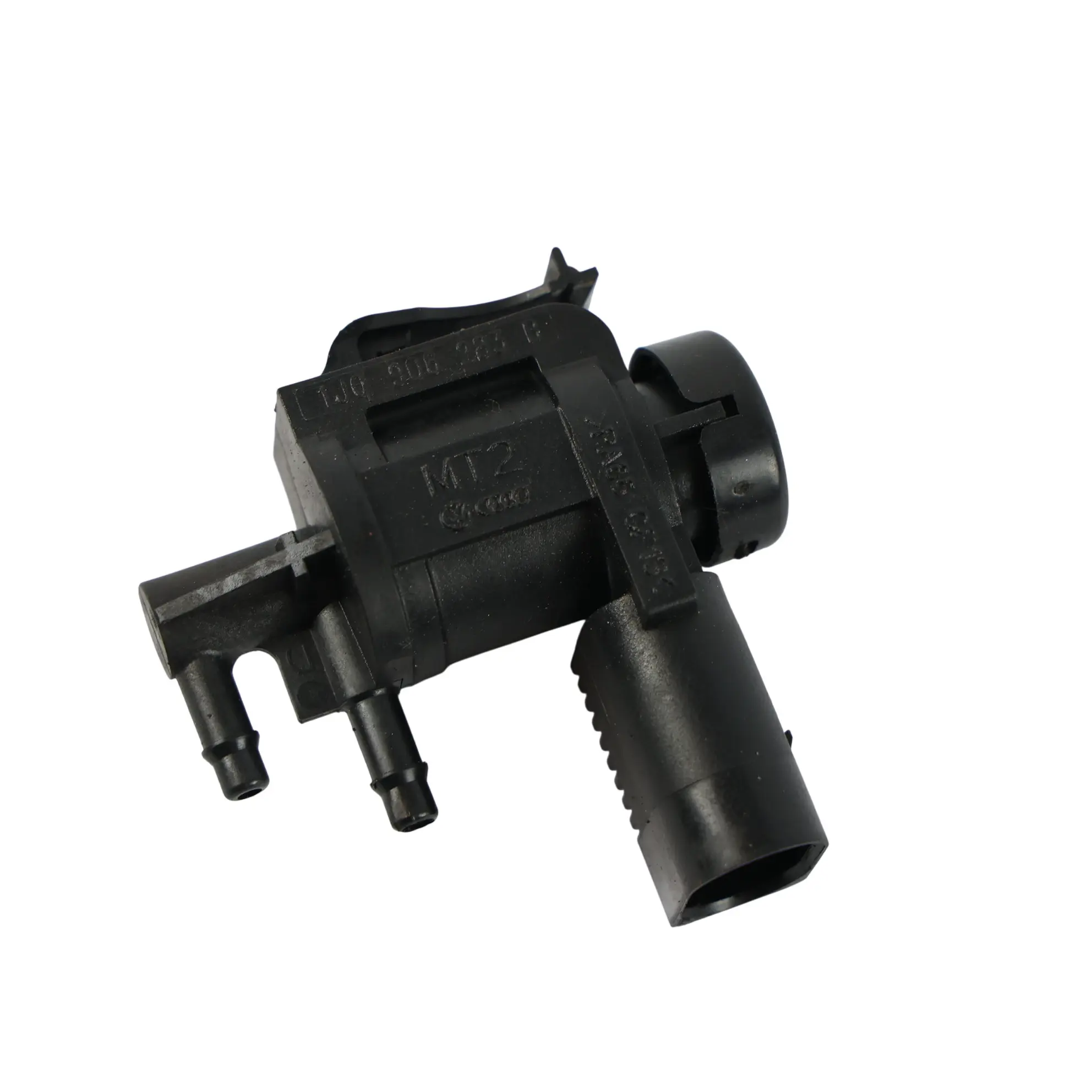
-5%
Part no. 1J0906283B
Volkswagen Sharan Touareg 7L EGR Solenoid Valve Vacuum Control Valve 1J0906283B
Promo price
€23.95
€22.75
Free delivery: Jul 6 – 9
If paid before 14:00
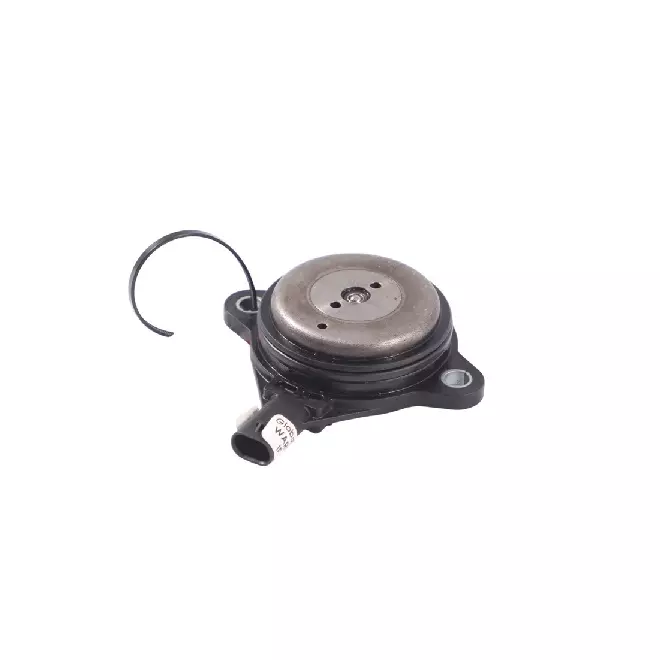
Electromagnetic valves for precise engine operation control
Electromagnetic engine valves for precise gas flow control
Solenoid valves are essential components in automotive systems that control the flow of liquids or gases using electrical signals. Used in many systems, such as the fuel system, turbochargers, or air conditioning, they ensure precise control and efficient vehicle operation. In the Global Parts automotive store, you will find a wide selection of used car parts, including solenoid valves, perfectly matched to brands such as BMW, Audi, Mercedes, Volkswagen, and others.
What functions do solenoid valves perform?
Solenoid valves perform many key functions in vehicle systems:
- Precise flow control – They open and close the flow of liquids or gases in response to control signals from the vehicle's system.
- System operation optimization – They ensure the proper functioning of systems such as turbochargers, fuel systems, or air conditioning.
- Increased efficiency – Thanks to precise control, they contribute to improved engine performance and reduced fuel consumption.
- Emission reduction – They support emission control systems, improving the vehicle's environmental friendliness. Used car parts, such as solenoid valves, provide an economical solution to problems related to the functioning of key vehicle systems.
Construction and purpose of solenoid valves
Solenoid valves are control elements usually built from a coil, a body, a movable plunger, and a vacuum or working medium connection. Depending on their function, solenoid valves are mounted near the engine, intake equipment, vacuum systems, or in circuits related to exhaust emissions. Their task is to react quickly to an electrical signal and direct the flow exactly where the vehicle manufacturer intended.
Comparison of solenoid valve variants
| Application type | Operating area | What to check before purchase |
|---|---|---|
| Vacuum control | Turbocharging system, vacuum lines, engine accessories | OEM number, port layout, plug type, number of pins |
| Camshaft timing control | Engine head or its surroundings | Engine code compatibility, body shape, seal, pre-facelift/post-facelift version |
| Exhaust emission control | Exhaust equipment and emission purification systems | OEM part number, mounting location, mounting method, electrical installation compatibility |
Flow control function in vehicle systems
Flow control means the controlled opening and closing of a channel for gas, vacuum, or liquid. Such a valve serves to transmit an executive signal from the control module to a specific system, therefore influencing engine response, turbine operation, and the refinement of accessory performance. In the case of parts such as a Vanos solenoid valve, it is particularly important to compare the OEM number, connector type, and compatibility with the engine unit code.
Why is it worth taking care of solenoid valves?
Efficient solenoid valves are crucial for the proper operation of vehicle systems. Typical problems include:
- Contamination and deposits – These can cause valves to stick or limit their efficiency.
- Electrical damage – Problems with the solenoid coil can prevent the valve from functioning correctly.
- Leaks – Worn valve seals can lead to liquid or gas leaks.
- Valve mechanism failure – Damaged mechanical components can reduce system efficiency. If a replacement is needed, choose used car parts that offer high quality and durability.
Signs of wear and cooperating elements
The control valve works with vacuum lines, the electrical harness, the control module, and often with elements from the EGR valves and parts or Lambda sensors and O2 sensors categories. Signs of wear may include delayed system response, controller errors, unstable engine operation, or lack of proper accessory control. If you are looking for a component such as a Vanos valve, it is also worth checking the seat tightness, the condition of the seals, and the cleanliness of the oil channels.
How to choose the right solenoid valves?
- Vehicle model fitment – At Global Parts, you will find solenoid valves perfectly matching BMW, Audi, Mercedes, Volkswagen, and others.
- Technical condition – Used solenoid valves should be free from mechanical and electrical damage and properly tested.
- Compatibility with vehicle systems – Ensure that the valve works with the system in which it is to be used, e.g., a turbocharger or air conditioning.
- Material durability – Choose valves made of high-quality materials resistant to high temperatures and pressure. Auto parts, such as solenoid valves, must meet technical standards to ensure reliability and precision of operation.
Selection criteria based on OEM number and car version
Valve selection should be based on the compatibility of the OEM part number, interchangeable numbers, and vehicle data such as make, fuel type, and engine version. In practice, it is worth comparing the housing shape, port position, plug type, and mounting method, as even similar elements can differ in details. When repairing systems in the Exhaust system gaskets or Exhaust system mounting parts areas, the tightness of connections after installation is also important.
How to maintain solenoid valves?
- Regular operation check – Check the condition of the valves during technical inspections to detect potential problems.
- Cleaning and maintenance – Remove deposits and contaminants that may limit valve efficiency.
- Leak testing – Regularly check the condition of seals to prevent leaks and loss of system efficiency.
- Repair or timely replacement – In case of damage, choose car parts that will quickly restore full system functionality.
Installation and post-installation verification
Installing a solenoid valve requires checking the flow direction, proper seating of lines, and secure connection of the electrical plug. After installation, it is good to verify tightness, system response to control, and any errors stored in the controller. Complementing your knowledge of cost-effective service is the article Original used parts vs. resale value – how not to lose money?, which shows why it is worth maintaining part compatibility with the car.
FAQ
| Question | Answer |
|---|---|
| What is the construction and purpose of solenoid valves? | Solenoid valves are medium flow control elements, mounted in various vehicle systems depending on the system's function. A typical valve consists of a body, a solenoid coil, a movable plunger or poppet, as well as an electrical connector and working ports. Their task is to execute controller commands in a fast and repeatable manner. In a car, they can operate near the engine, vacuum system, intake, or circuits related to exhaust emissions. |
| What are solenoid valves used for? | Solenoid valves are used to precisely direct the flow of gases, vacuum, or liquids at the appropriate moment of vehicle operation. They enable the control of engine accessories, influence the efficiency of selected systems, and help maintain correct operating parameters. Without their proper operation, control disturbances, a drop in system efficiency, and errors stored in the car's electronics may occur. |
| What role does the solenoid valve coil play? | The solenoid coil is the actuator part of the valve, which, upon receiving voltage, creates a magnetic field and moves the internal working mechanism. This means it is what converts the electrical signal into the movement that opens or closes the flow channel. Its condition directly affects the valve's response speed, as well as proper cooperation with the electrical installation and the vehicle controller. |
| How to choose a solenoid valve for a specific car? | The safest way is to compare the OEM number, interchangeable numbers, plug type, port layout, and mounting location. The make, fuel type, engine code, and vehicle equipment are also important. For visually similar parts, it is worth additionally verifying compatibility via VIN. |
| What symptoms may indicate a problem with a solenoid valve? | Typical symptoms include irregular system operation, delayed accessory response, a drop in control efficiency, and errors read during diagnostics. Depending on the application, worse engine response or improper vacuum system operation may also occur. Symptoms should always be assessed together with the condition of lines, seals, and the electrical installation. |
| What should be paid attention to after installing a solenoid valve? | After installation, check the tightness of connections, proper seating of lines, and the stability of the electrical connector. It is also good practice to check system operation via diagnostics and observe whether previous controller errors return. This allows you to confirm that the component has been selected and connected correctly. |
Summary: solenoid valves at the Global Parts automotive store
Solenoid valves are key elements of many automotive systems that influence their efficiency and reliability. In the Global Parts offer, you will find used parts matched to vehicles of brands such as Audi, Unbranded, Mercedes, and others, and when choosing, you can rely on the OEM number, interchangeable numbers, and basic product data, such as make, fuel type, and condition. This is a practical solution for those who want to maintain part compatibility with the car version and the system in which the valve is to operate. We invite you to contact us – we are here to help you! For more information and interesting facts, we also invite you to visit our automotive blog.